mmWave Presence Sensor Price and Value
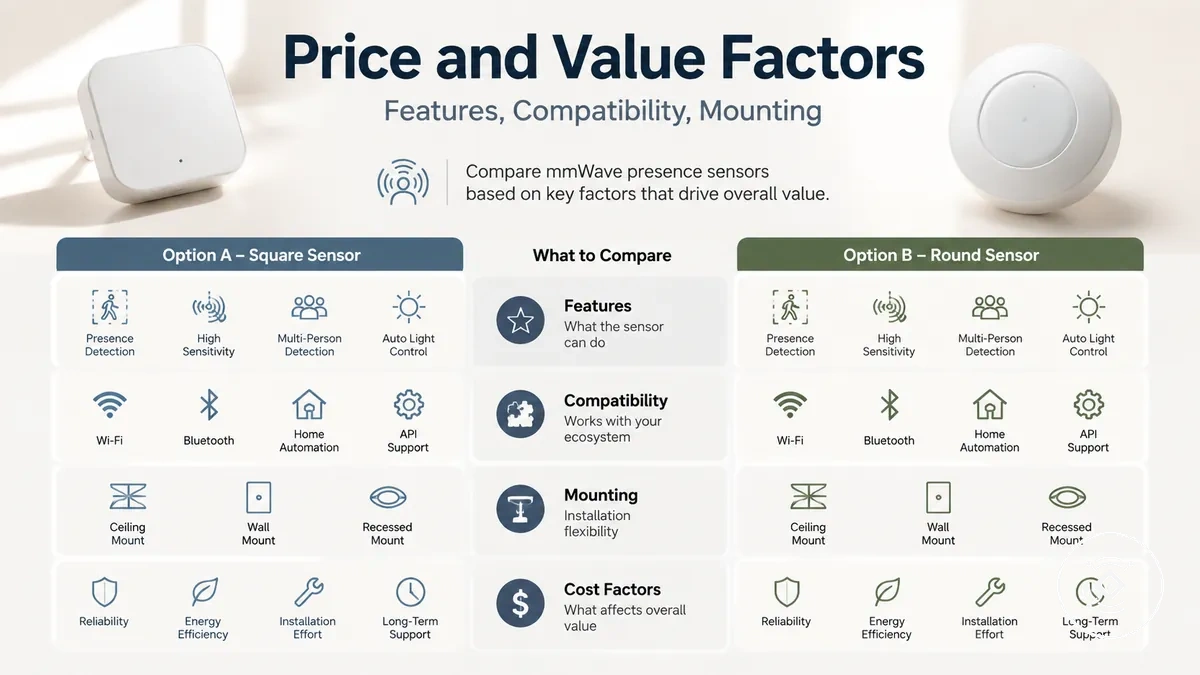
A mmWave presence sensor price varies by detection capability, compatibility, mounting fit, control quality, and buyer risk. The lowest cost does not necessarily provide the strongest value because value depends on whether the sensor suits the intended room use and automation goal.
Price-value assessment compares the cost factors of a presence sensor with the practical conditions it needs to satisfy. Product examples may illustrate different options, but they are not the main semantic focus of this page; the broader mmWave presence sensor guide explains the full category context.
A sensor for a simple room may need basic coverage and control, while a more demanding setup may depend on sensitivity adjustment, detection zones, protocol fit, or stronger app and hub support. Zigbee, WiFi, power requirements, setup skill, and mounting position can also affect whether an offer represents useful value. These conditions provide the basis for interpreting indicative price ranges rather than judging pricing in isolation.
Comparing price alone can hide compatibility limits, setup effort, availability conditions, and support expectations. A partner-dependent offer may provide good value when its detection capability and mounting fit match the intended automation, but the final decision depends on the model, room, protocol, and configuration requirements.
Common Price Ranges for mmWave Presence Sensors
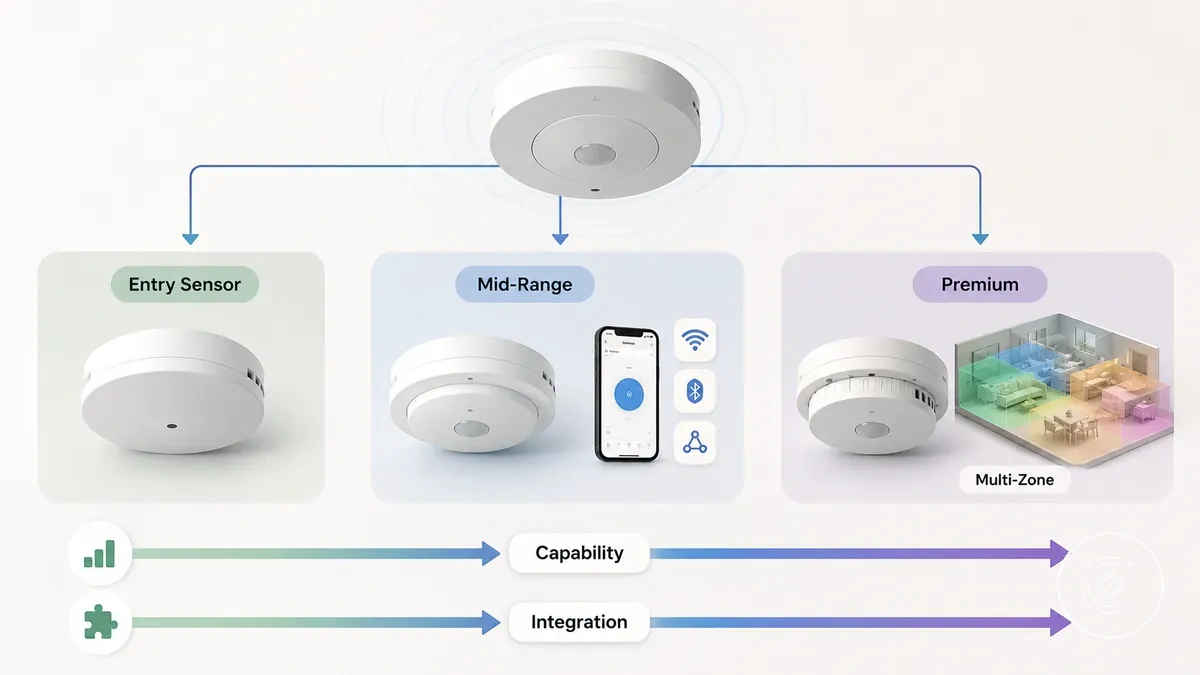
Common Price Ranges for mmWave Presence Sensors are indicative rather than fixed because pricing can vary by capability, configuration, and integration level. Budget, mid-range, and premium price bands are most useful when read as capability groups rather than promises about current offers.
A price range shows the relationship between a sensor tier and the functions or setup conditions commonly associated with it. A higher price may provide useful value when multi-zone control, deeper configuration, or platform-ready integration matches the room and automation need; otherwise, the added capability may increase cost without improving fit.
| Sensor tier | Typical capability condition | Value risk | Best-fit situation |
|---|---|---|---|
| Budget module or entry sensor | Basic presence detection with limited enclosure, setup support, or configuration options | Lower cost may be offset by setup difficulty or limited controls | A simple room or basic automation where limited capability is acceptable |
| Mid-range sensor | App or protocol support, practical mounting options, and adjustable controls | Features may add little value when compatibility or room fit is unclear | A smart-home setup that needs balanced control without advanced multi-zone configuration |
| Premium sensor | Multi-zone detection, deeper configuration, or platform-ready integration | Higher pricing may not reduce buyer risk when advanced functions are unnecessary | A complex room or automation setup where added control and integration depth have a clear purpose |
Budget Modules and Entry Sensors
Budget modules and entry sensors can provide suitable value when the goal is simple presence detection in a straightforward room. A low-cost option may be sufficient for basic automation when its limitations match the intended setup and user expectations.
Lower pricing can involve greater setup difficulty or fewer built-in features. Budget Modules and Entry Sensors depend on acceptable setup friction and basic capability, so the practical trade-offs matter more than the lowest cost alone.
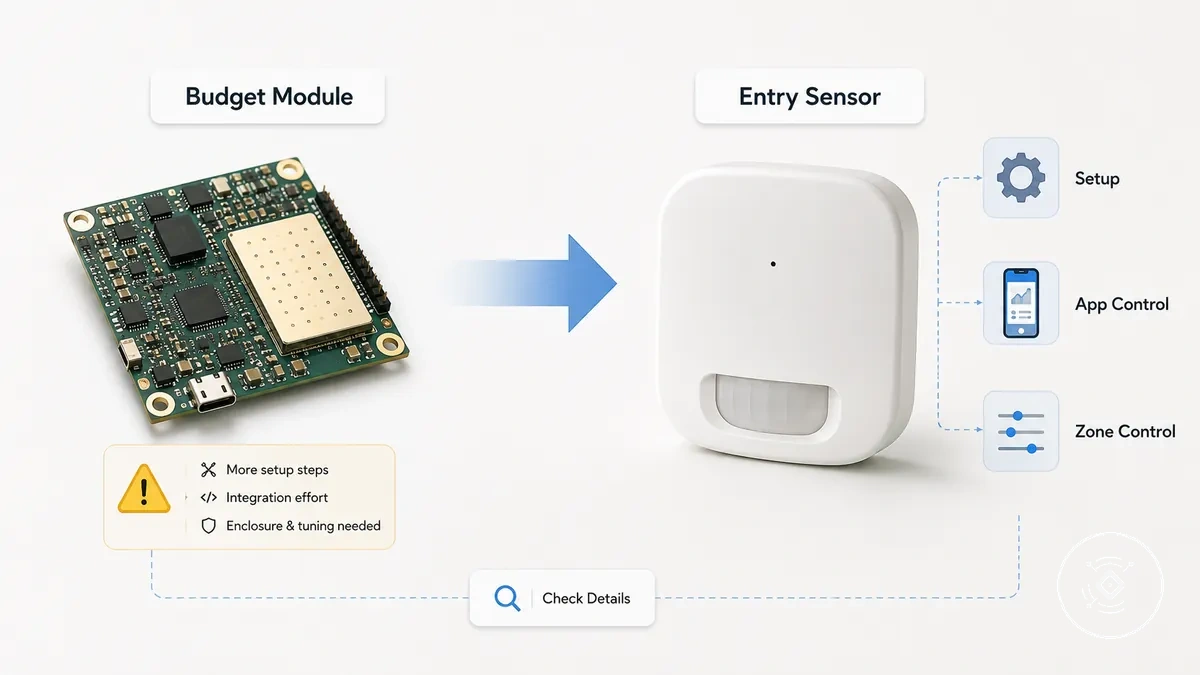
- A budget module may require an enclosure and greater user skill before everyday use.
- An entry sensor may provide easier firmware support and app control, although available features depend on the model and platform.
- Limited zone control can be an acceptable trade-off for a simple room but may reduce flexibility in more complex automation.
- Low-cost options may require a higher tolerance for false detection or fewer adjustment settings, depending on installation conditions.
- Value is stronger when the sensor's capability, setup effort, and room requirements remain aligned rather than when price alone drives the decision.
Mid-Range Smart-Home Presence Sensors
A buyer who wants reliable everyday smart-home automation without premium complexity may find practical value in a mid-range sensor. A smart-home presence sensor in this tier can balance useful control with manageable setup when its features match the room, protocol, and automation goals.
A mid-range sensor provides balanced value when useful control matters more than the tier label itself. Mid-Range Smart-Home Presence Sensors should be assessed by app configuration, protocol support, mounting option, sensitivity control, and automation reliability. The checklist below highlights the main conditions to verify before choosing this value tier.
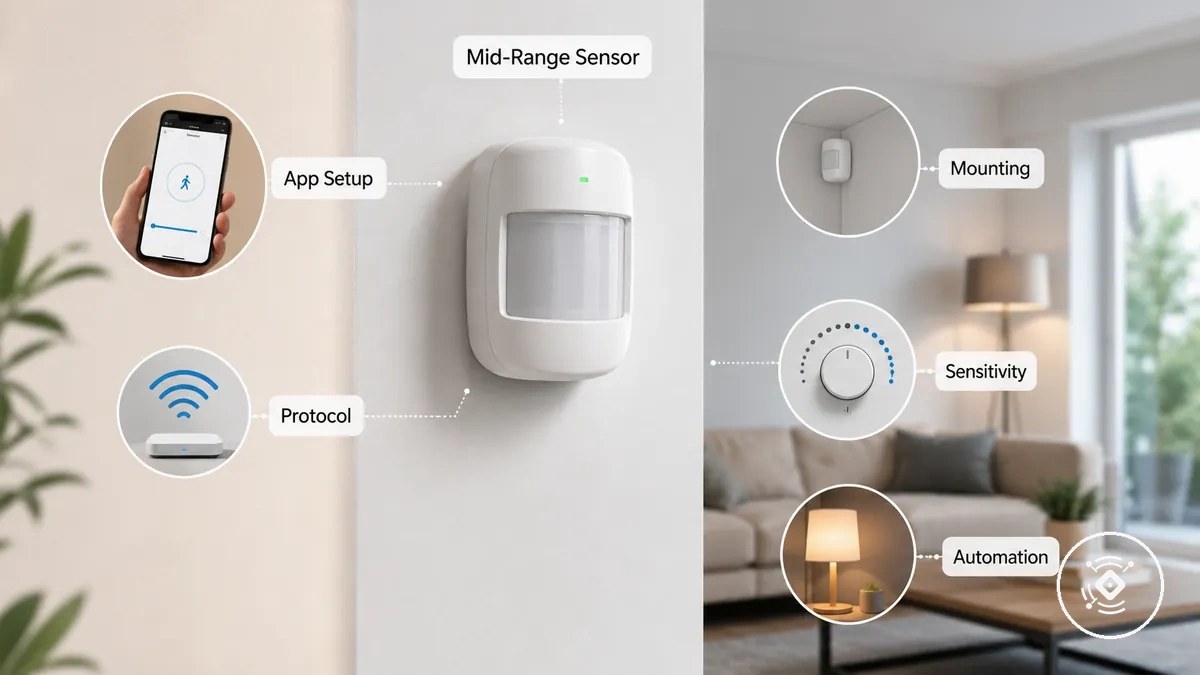
- Confirm that the available app configuration provides the adjustment options needed for the intended room.
- Check whether the supported protocol, such as Zigbee or WiFi, matches the existing smart-home setup.
- Choose a suitable mounting option so room coverage and placement align with the intended detection area.
- Verify that sensitivity control allows practical tuning for the room and automation conditions.
- Consider whether the expected automation reliability matches the intended routines, while recognizing that results can vary by model, setup, and room conditions.
Premium Multi-Zone and Platform-Ready Sensors
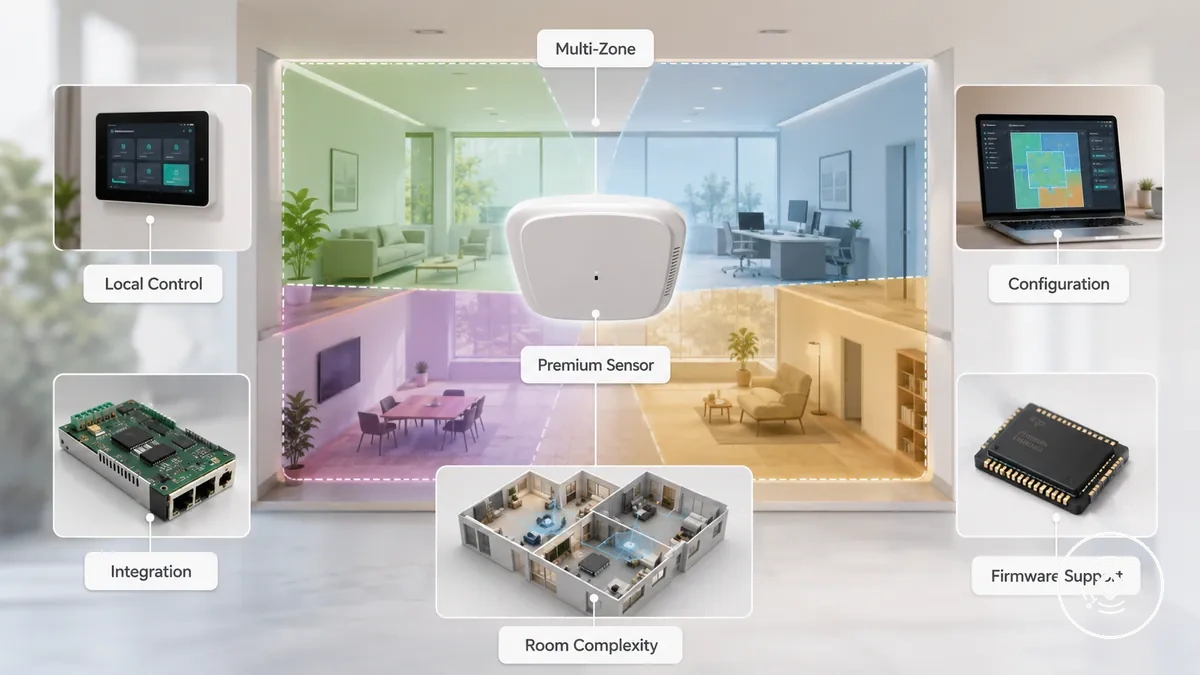
A premium sensor provides better value when it reduces fit or control risk instead of simply adding more features. Higher pricing may be justified when multi-zone detection, configuration depth, and platform-ready capabilities match greater room complexity or more demanding automation requirements.
When a space includes multiple activity areas or advanced automation goals, deeper configuration and broader platform support can become more useful than basic presence sensing alone. Premium Multi-Zone and Platform-Ready Sensors compare these capabilities by the value conditions they address rather than by price alone. The comparison below highlights where premium features may reduce risk and where they may add unnecessary cost.
| Premium feature | Value condition |
|---|---|
| Multi-zone detection | May justify higher cost when room complexity requires separate detection areas instead of a single coverage zone. |
| Local control | Can provide additional value when automation depends on local processing rather than greater reliance on external services. |
| Integration depth | Becomes more useful when a platform-ready sensor must support broader automation workflows or protocol integration. |
| Firmware maturity | May reduce configuration risk when stable long-term feature support is important for the intended setup. |
Cost Factors That Change Practical Value
A mmWave presence sensor delivers greater practical value when a cost factor improves fit, reduces setup risk, or supports the intended automation rather than simply increasing the purchase price. Practical value depends on how each attribute matches the room, installation conditions, and automation goals, making sticker price only one part of the decision.
Choosing between sensors becomes easier when each attribute is treated as a decision variable instead of an isolated feature. Cost Factors That Change Practical Value organizes the attributes below by their value condition, buyer impact, and typical use scenario so feature differences can be evaluated by practical effect rather than price alone.
| Attribute | Value condition | Buyer impact | When it matters |
|---|---|---|---|
| Radar capability | Greater capability may add value when detection requirements are more demanding. | Can improve fit for more complex presence detection needs. | When automation extends beyond basic occupancy sensing. |
| Detection range | Value depends on matching room size instead of maximizing coverage. | Coverage that is too limited or too broad may reduce practical value. | When room dimensions differ from typical installation conditions. |
| Zones | Multiple zones may justify added cost when separate activity areas require independent detection. | Can support more precise automation in suitable layouts. | When room size or automation needs benefit from distinct detection areas. |
| Sensitivity control | Adjustment options become more valuable when calibration tolerance affects false occupancy risk. | May improve everyday usability after setup. | When installation conditions require fine tuning. |
| Mounting style | Value depends on how installation position supports the intended coverage. | Can influence setup effort and room fit. | When ceiling, wall, or other mounting locations affect detection. |
| Power | Power requirements should match the planned installation. | May affect installation flexibility and setup choices. | When available power sources vary between locations. |
| Configuration support | Additional configuration options provide more value when automation requires deeper adjustment. | Can reduce setup uncertainty for advanced use cases. | When room conditions or automation workflows need ongoing refinement. |
Radar Frequency, Detection Range, and Zone Control
Radar capability, detection range, and zone control increase practical value only when they improve detection usefulness for the intended room and automation task. A mmWave presence sensor with broader coverage or additional zones may justify a higher price when those attributes better match the room condition, while simpler spaces may not benefit from added capability.
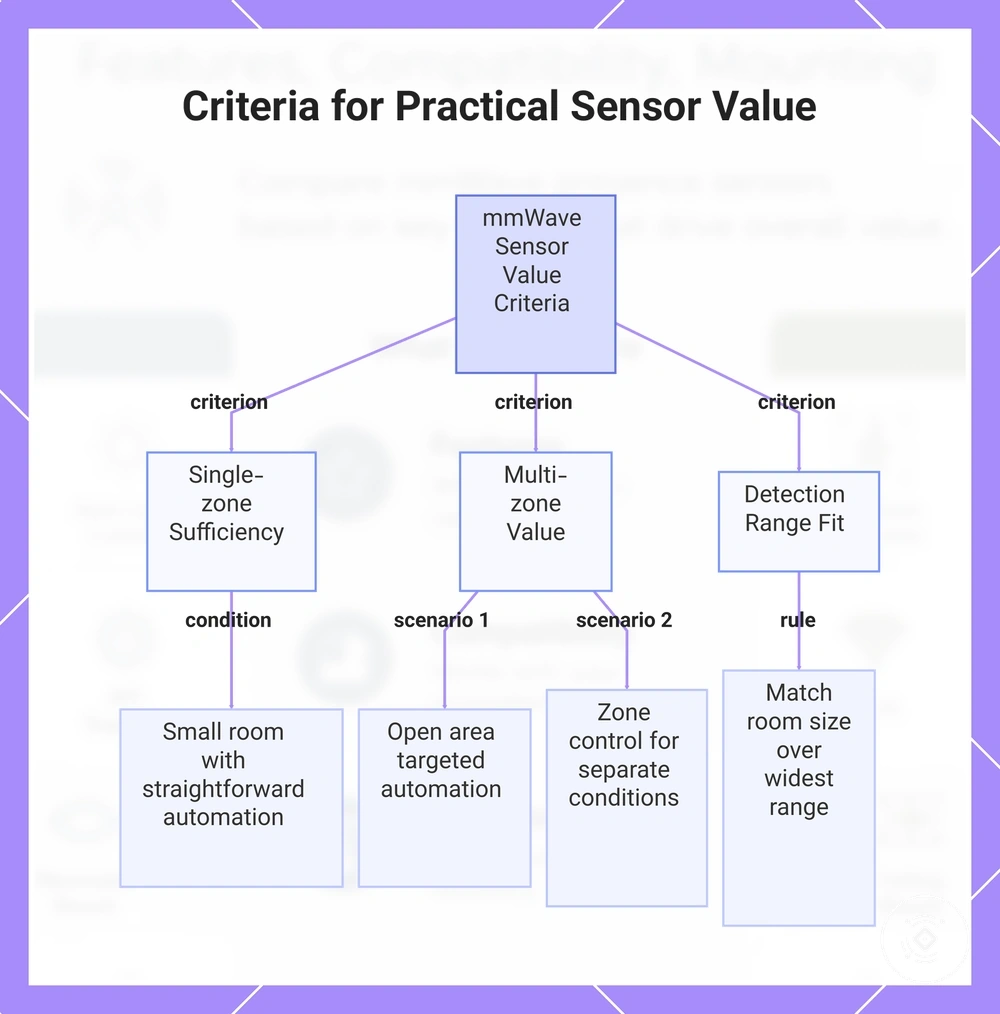
For everyday automation, matching the sensing area to the room condition is often more useful than comparing specifications alone. The criteria below separate situations where a single-zone sensor may be sufficient from those where multi-zone control can provide additional value for targeted automation.
- Single-zone: Often suits a small room where one detection area provides adequate coverage and supports straightforward automation.
- Multi-zone: May provide additional value in an open area when separate detection zones support targeted automation.
- Detection range: Practical value depends on matching room size instead of selecting the widest available coverage.
- Zone control: Additional control becomes more useful when different room conditions require separate detection decisions.
This chart shows the conditions under which single-zone, multi-zone, and detection range attributes provide practical value for room automation.
Sensitivity, False Detection Control, and Calibration
Sensitivity control, false detection control, and calibration add practical value when adjustment depth reduces unstable detection or lowers false occupancy risk for the intended environment. A mmWave presence sensor with broader calibration options may justify a higher price when those settings improve reliability for the room condition, installation, and automation goals.
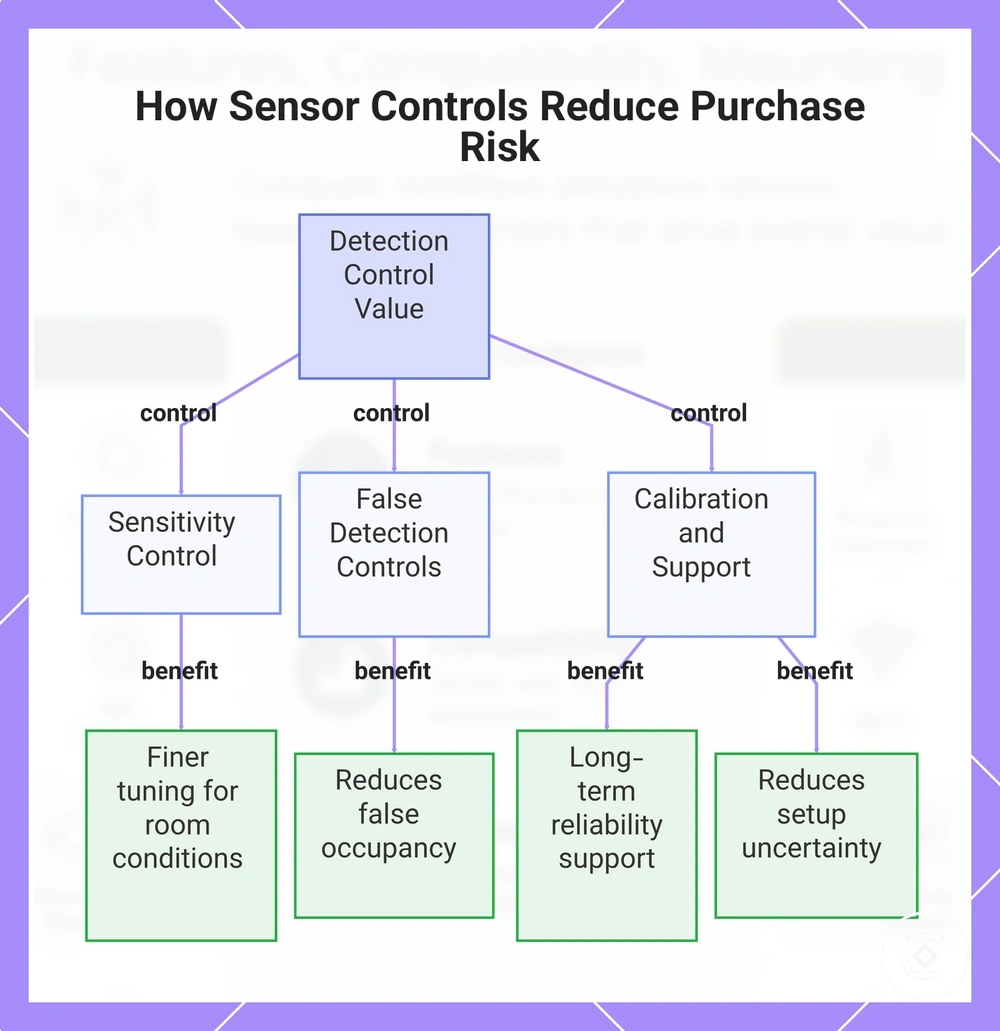
When reflective surfaces, adjacent movement, or pets increase detection uncertainty, additional settings can reduce buyer risk by allowing more precise detection tuning instead of relying on fixed behaviour. The criteria below support purchase-risk evaluation rather than a calibration or troubleshooting workflow.
- Sensitivity control: Greater adjustment depth may improve detection usefulness when room conditions require finer tuning.
- Zone exclusion and delay setting: These controls can help reduce false occupancy when unwanted movement occurs outside the intended sensing area.
- Firmware support: Ongoing configuration support may add value when long-term reliability or feature refinement is important.
- App-based calibration: Accessible settings can reduce setup uncertainty when configuration depends on the model, protocol, and installation environment.
This chart shows the key sensor controls that add practical value and reduce risk for buyers evaluating mmWave presence sensors.
Mounting Style, Power, and Room Coverage Fit
In a room where placement or power access limits usable coverage, mounting style and power source can change practical value by affecting installation effort and coverage angle. A ceiling mount, wall mount, wired, or wireless format may justify a different cost when the setup better matches the room layout and intended room coverage.
Installation convenience and coverage reliability do not always point to the same choice because fit depends on mount type, power format, and the intended environment. Mounting Style, Power, and Room Coverage Fit can be compared through setup effort, cable visibility, coverage risk, and total value.
| Format choice | Cost effect | Fit risk | Best use condition |
|---|---|---|---|
| Ceiling mount | May increase installation effort depending on access and placement. | The coverage angle may not suit every room layout. | When overhead positioning better matches the intended sensing area. |
| Wall mount | May reduce setup effort in suitable spaces. | Coverage reliability depends on placement and room layout. | When wall positioning provides the required room coverage. |
| Wired power source | Installation effort may increase because of cable routing. | Cable visibility and setup friction can affect total value. | When permanent power matches the installation plan. |
| Wireless power source | May simplify setup where permanent wiring is less practical. | Power management requirements depend on the selected format. | When flexible placement has greater value than fixed wiring. |
Comparing wired and wireless cost differences can further clarify how power format affects installation effort, room fit, and total value.
Protocol Price Differences for Zigbee and WiFi Sensors
Protocol Price Differences for Zigbee and WiFi Sensors depend on the existing ecosystem, setup conditions, and automation expectations rather than the protocol alone. A Zigbee or WiFi mmWave presence sensor may provide better value when its protocol aligns with the current smart-home platform, setup effort, and long-term use, so neither option is universally better.
Looking beyond the sensor price helps explain total value because protocol choice can affect hub dependency, network reliability, local automation, app dependence, platform compatibility, and setup effort. The comparison below shows how these conditions may change convenience, added cost, and value risk.
| Protocol | Added cost condition | Convenience factor | Value risk |
|---|---|---|---|
| Zigbee | Hub dependency may add cost when a compatible hub is not already available. | Can support local automation within a compatible ecosystem. | Platform compatibility and hub requirements depend on the existing setup. |
| WiFi | May avoid a separate hub requirement in suitable environments. | App dependence and direct router connection may simplify initial setup. | Network reliability and automation behaviour depend on the model, platform, and configuration. |
The better-value protocol depends on the existing ecosystem and intended automation workflow rather than a universal preference. Comparing compatibility value factors can place protocol choice within the broader evaluation of long-term fit and total value.
Zigbee Sensor Price and Hub Dependency
A Zigbee sensor provides better value when hub ownership already exists or the added hub cost supports the intended automation. Without a compatible hub, hub dependency can increase total setup cost, so Zigbee price should be judged together with ecosystem fit rather than sensor price alone.
In a home where mesh reliability and local automation matter, a Zigbee presence sensor may justify additional setup complexity when the protocol matches the existing network and room automation goals. The practical cost condition depends on the hub requirement, compatibility label, and setup effort required by the ecosystem.
- Hub ownership: An existing compatible hub may reduce added cost, while a new hub requirement can raise the total setup price.
- Mesh reliability: A mesh network may add value when the existing ecosystem supports suitable coverage and stable communication.
- Local automation: Local control can be useful when the hub and platform support the intended routines, but capability depends on the specific setup.
- Compatibility label: The stated hub and platform requirements should be checked because setup complexity and value depend on ecosystem fit.
WiFi Sensor Price and No-Hub Convenience
A WiFi sensor can reduce upfront hub cost through no-hub convenience, but router connection may add app control, cloud dependence, or network considerations. Total value depends on whether the simpler initial setup remains suitable for the intended platform, automation, and long-term control needs.
No-hub convenience can reduce setup complexity at the start, yet long-term value may still depend on platform support, network load, latency expectations, and the level of app or cloud dependence. The comparison below separates the convenience gained from the conditions that should be checked.
| Convenience gained | Value condition to check |
|---|---|
| Direct router connection | Check whether the WiFi sensor can maintain a suitable connection within the intended network environment. |
| App control | Confirm that the required app functions and platform support match the intended automation. |
| No separate hub | Compare the lower upfront setup cost with any added cloud dependence or account requirements. |
| Hub-free setup | Consider whether network load and latency remain suitable for the intended room and automation routines. |
Cheap Versus Expensive mmWave Presence Sensors
Cheap Versus Expensive mmWave Presence Sensors should be compared by decision risk and room fit rather than price labels alone. A cheap sensor may provide suitable cost-value when limited configuration and support risk remain acceptable, while an expensive sensor may justify its price when added control reduces uncertainty for the intended setup.
Higher price does not automatically mean better value because additional features matter only when they improve detection stability, configuration depth, integration support, calibration control, or build format for the room and automation need. The comparison below separates the practical advantages from the risks that may affect buyer value.
| Price level | Practical advantage | Practical risk | Best-fit condition |
|---|---|---|---|
| Cheap sensor | May reduce upfront cost for simple presence detection. | Setup friction, limited calibration control, or greater support risk may reduce value. | When the room and automation need are simple and limited configuration is acceptable. |
| Expensive sensor | May provide deeper configuration, broader integration support, or a more complete build format. | Added capability can increase cost without reducing decision risk when the features are unnecessary. | When room fit, detection stability, or advanced automation depends on the added controls. |
The practical difference is whether the higher-cost option reduces a specific fit, calibration, integration, or support risk rather than simply adding more features.
Comparing mmWave versus PIR value can clarify broader sensing-cost expectations, while this comparison remains focused on mmWave-specific cost-value trade-offs.
When a Lower-Cost Sensor Is Enough
A lower-cost sensor is enough when the room, automation need, and buyer risk remain simple and acceptable. It can provide enough value when limited features, setup effort, and support expectations match a straightforward use case.
In a simple room with basic automation, a budget option may be rational when limited zones and existing platform fit reduce the need for deeper control. The checklist below separates an acceptable trade-off from a false economy.
- Simple room: The sensing area is straightforward and does not require complex coverage or multiple activity zones.
- Basic automation: The intended routine needs simple presence detection rather than advanced configuration or targeted control.
- Setup effort: The required setup remains acceptable for the buyer’s skill, time, and installation conditions.
- Limited zones: A single sensing area or restricted zone control is sufficient for the intended room use.
- Platform fit: The sensor’s protocol and app requirements align with the existing smart-home setup.
- Trade-off: The lower price still provides enough value after considering setup friction, feature limits, and support risk.
When Paying More Reduces Decision Risk
Paying more can reduce decision risk when the added control addresses a real requirement instead of adding features that are unlikely to be used. A higher-priced mmWave presence sensor may provide better fit, control, or reliability when those capabilities match the room, platform, and automation needs.
When a complex room, multiple automations, or false detection sensitivity increase setup uncertainty, additional features may reduce buyer risk through improved configuration and platform support. The decision signals below show when higher pricing may reduce uncertainty without assuming that a premium option produces better outcomes.
- Complex room: Added control may improve fit when multiple activity areas require more precise presence detection.
- Multiple automations: Deeper configuration may reduce control uncertainty when several routines depend on different presence conditions.
- False detection sensitivity: Broader calibration options may reduce unwanted detection when room conditions require finer adjustment.
- Local control: Local processing capabilities may add value when automation depends on local execution.
- Platform requirement: Broader integration support may reduce compatibility uncertainty when the existing smart-home ecosystem has specific requirements.
Value Checks Before Following an Offer
An offer should be checked against the required sensor value before following a partner path. A careful value check can reduce the risk of paying for capabilities that do not match the intended room, platform, or automation needs, especially when offer details are incomplete.
Unclear offer details can lead to a sensor that fits the price but not the intended use. Value Checks Before Following an Offer are more reliable when each criterion below is verified before comparing partner offers.
- Compatibility: Verify protocol and ecosystem support to reduce integration risk.
- Mounting fit: Confirm that the installation format matches the intended room to reduce placement risk.
- Power requirement: Check the required power format to reduce installation mismatch.
- Feature clarity: Review the listed capabilities to reduce uncertainty about supported functions.
- App dependence: Confirm app, account, or service requirements to reduce setup surprises.
- Return risk: Review partner-specific return conditions where available to reduce post-purchase uncertainty.
- Price context: Compare the offer with the included capabilities rather than judging value by price alone.
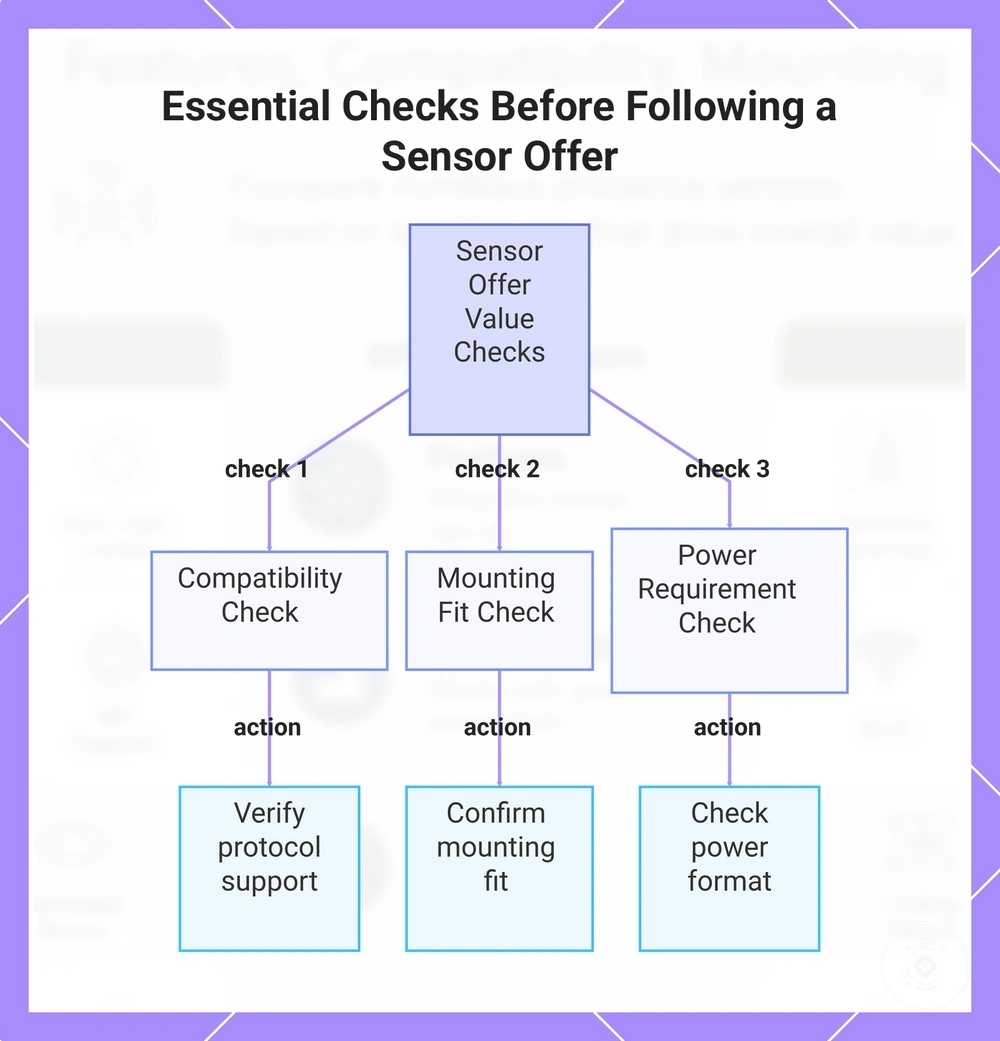
In a practical buying scenario, compatibility, mounting fit, and power requirement should be confirmed before price becomes the deciding factor. These checks help determine whether the sensor matches the planned installation and existing ecosystem. Reviewing features worth checking can further clarify feature expectations before following a partner path.
A strong offer provides clear capability, compatibility, and setup information, while a merely cheap offer may leave important details uncertain. Feature clarity, app dependence, return risk, and price context should be considered together because a lower listed price may not represent stronger value.
Product examples are decision references rather than rankings. Availability and partner-dependent details may vary, so the final selection should remain based on verified criteria instead of assumptions.
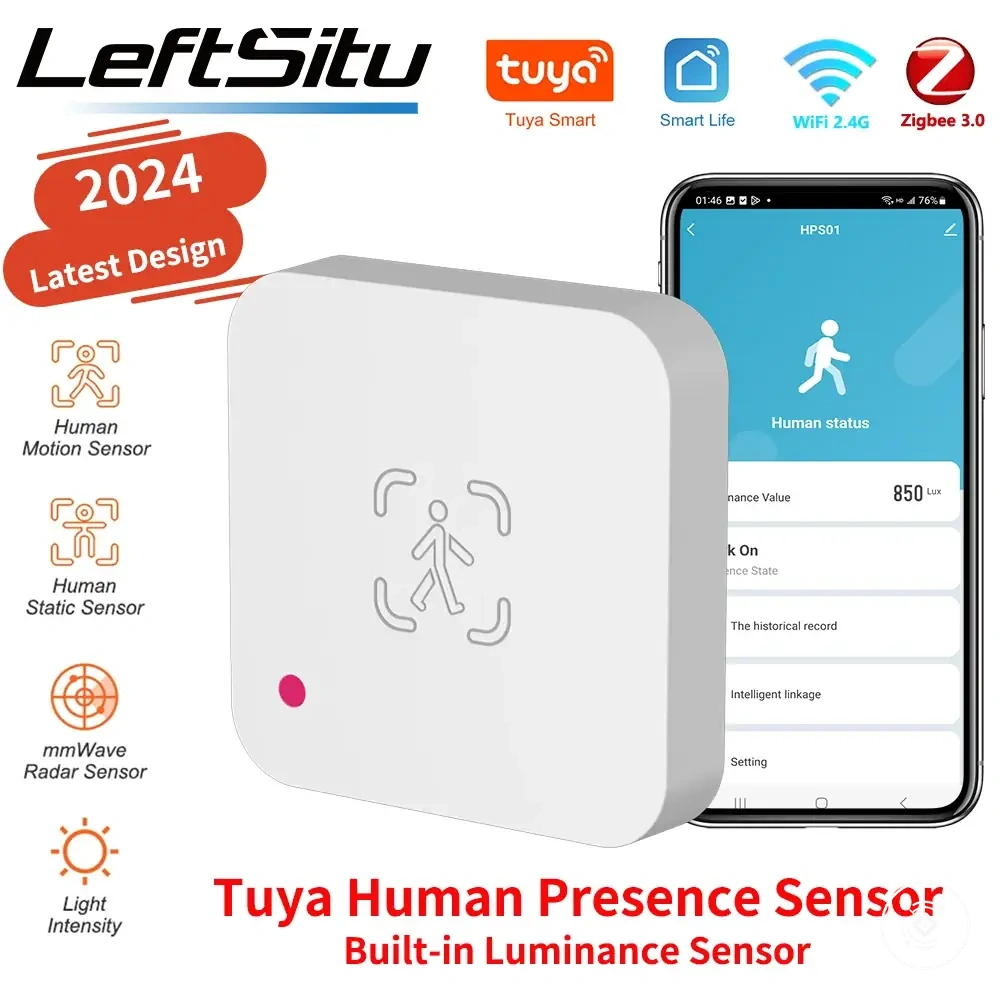
The products below are useful examples for comparing available options. Before buying, check that the compatibility criteria, key features, and product details match your needs.
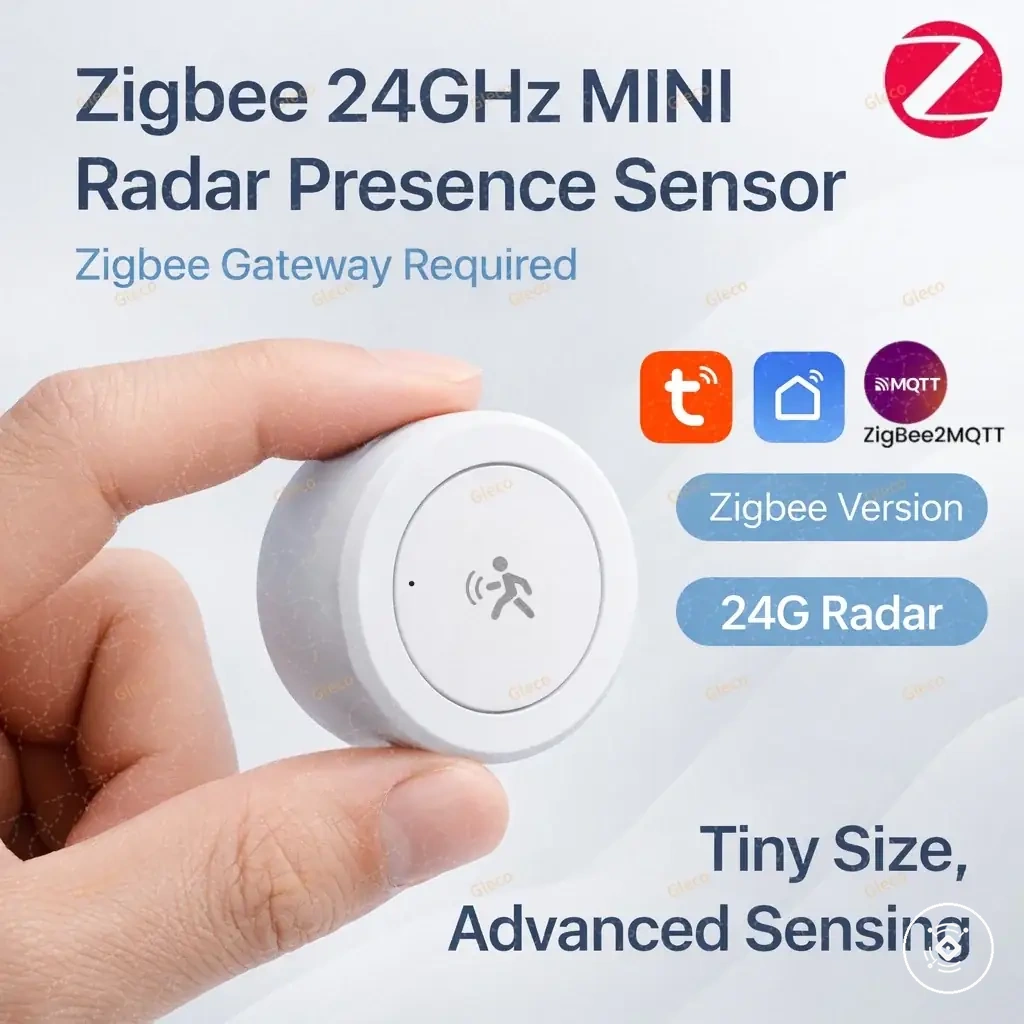
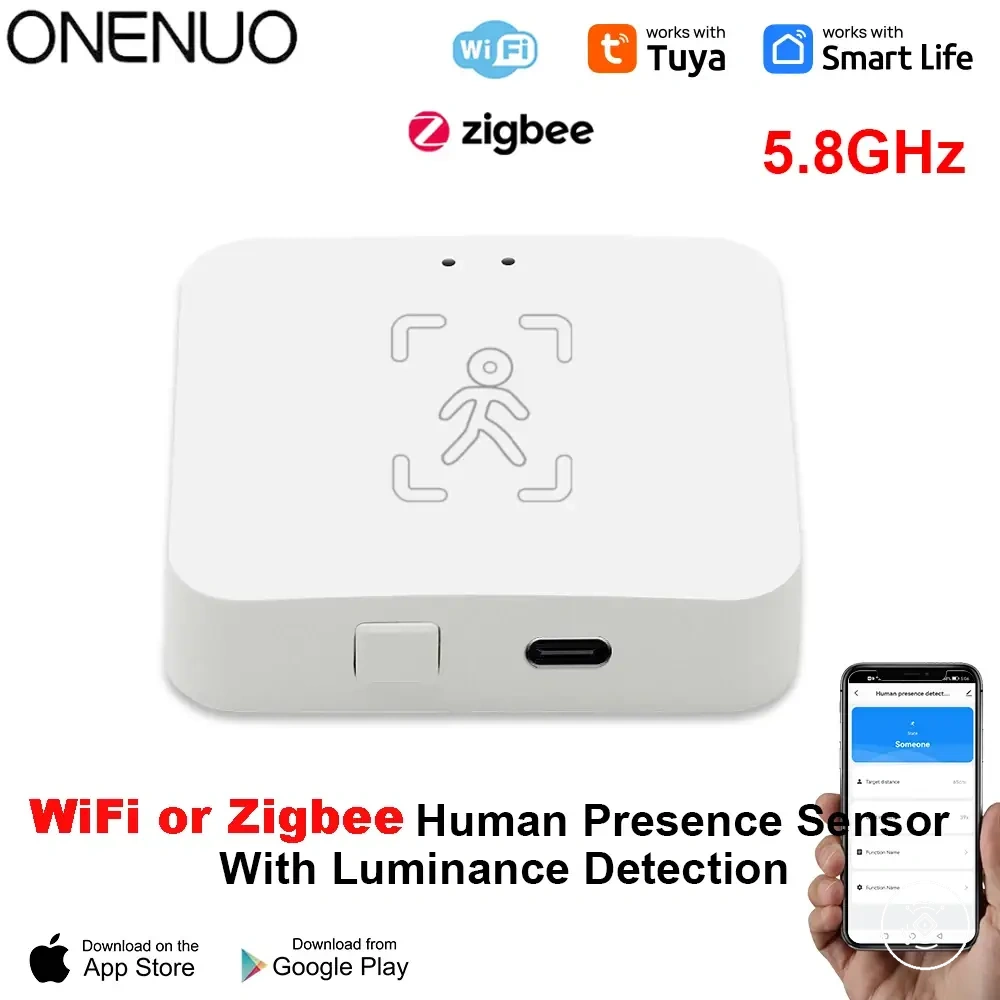
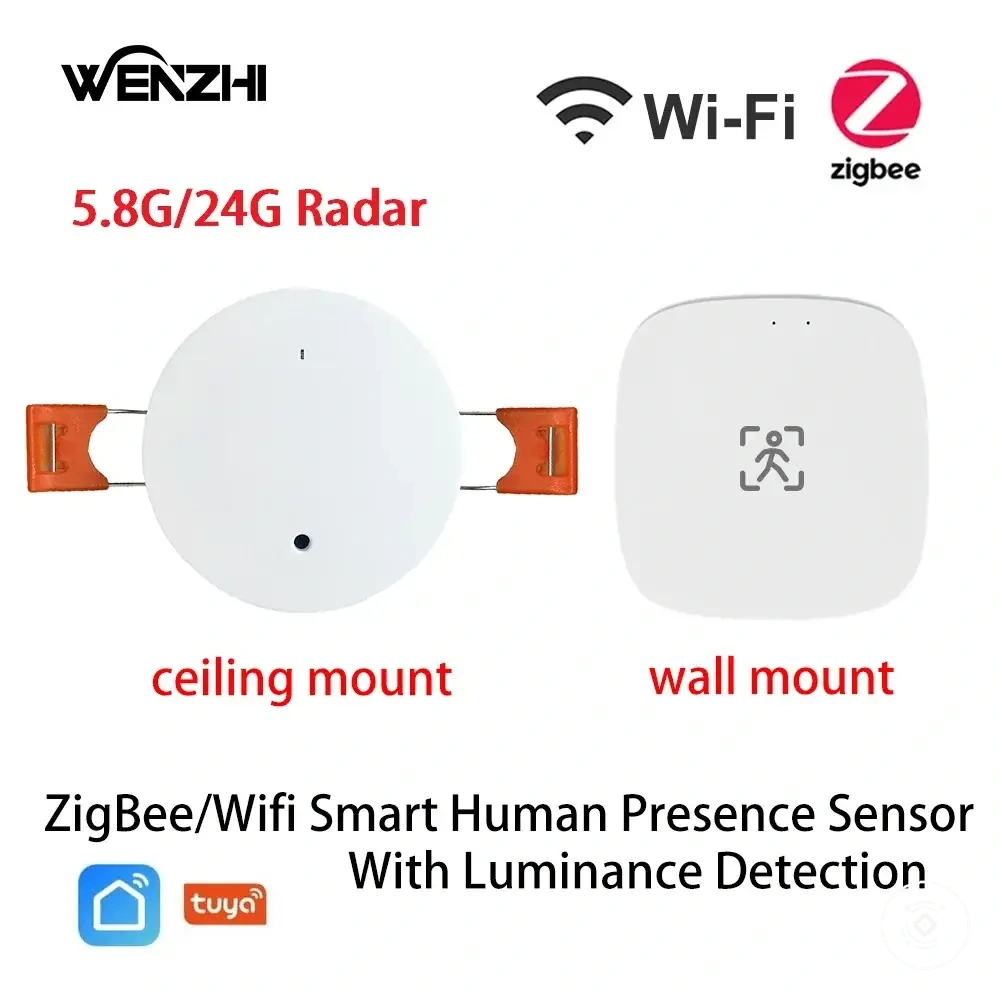
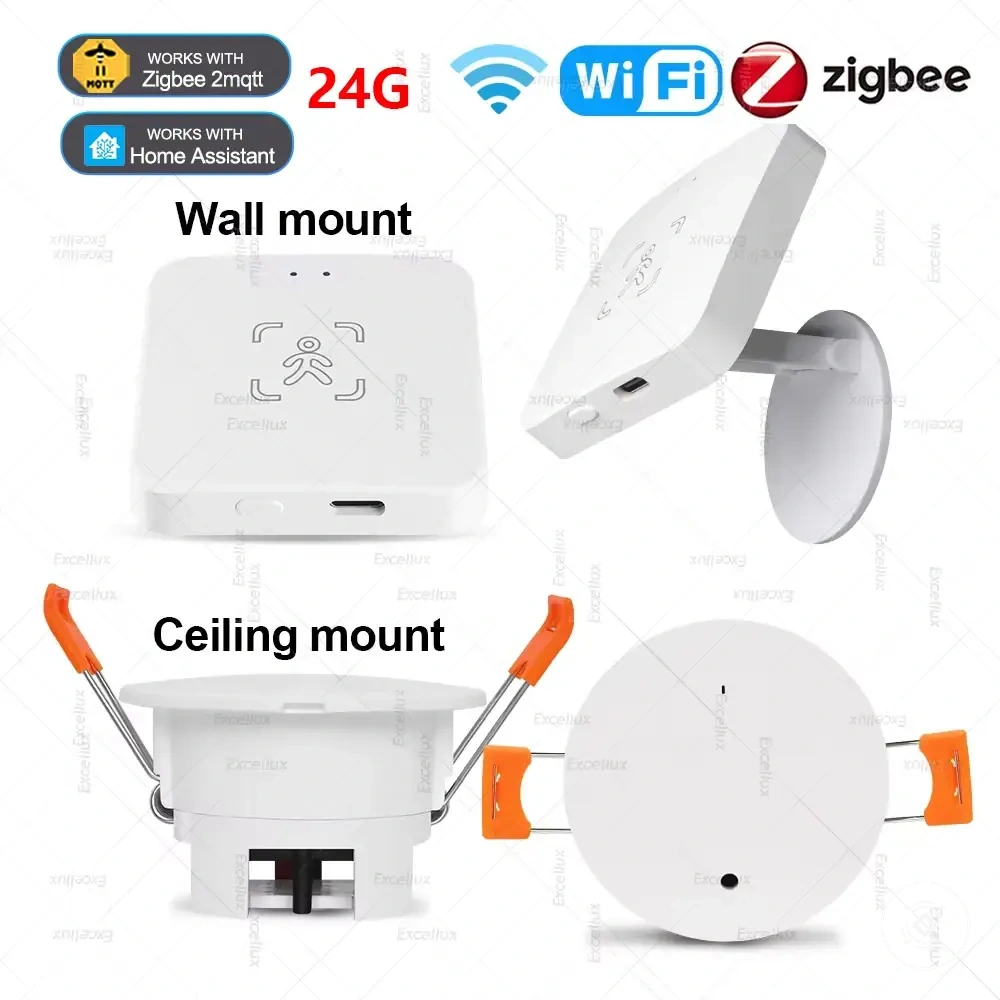
This chart shows the three most critical technical checks to confirm before price becomes the deciding factor when evaluating a sensor offer.
Room Use Case and Automation Payoff
A room use case determines whether the automation payoff of a mmWave presence sensor matches the expected outcome. Presence detection provides more value when the sensor’s capabilities align with how the room is used, making outcome fit the main value condition.
Automation payoff depends on whether presence detection improves a useful room outcome. The examples below show how different room scenarios can change the value of the same sensor without implying that one setup suits every environment.
- Bedroom: Presence detection may add value when still occupancy matters, but the payoff depends on the intended comfort and control goals.
- Bathroom: Automation value may increase when occupancy timing affects lighting or ventilation behaviour, provided the setup matches the room use case.
- Office: Presence detection can add value when extended desk occupancy benefits from more consistent automation, although the payoff depends on use-case fit.
- Hallway: Automation payoff may be useful where movement is brief and timing affects the intended room outcome.
- Living area: Zone control may improve the value condition when different activity areas require separate presence detection, depending on sensor configuration and room layout.
Local Control, App Dependence, and Data Exposure
Local control and app dependence can change the long-term value of a mmWave presence sensor because the control model affects how automation operates over time. Cloud reliance, account requirement, latency, and long-term support all influence the decision for a reliability-focused buyer, while data exposure considerations depend on the selected platform and setup.
Convenience may increase with cloud-based control, but greater dependence on apps or online services can become an additional value consideration. Comparing local automation with app-dependent operation helps separate convenience from dependency risk, as shown below.
| Control model | Value condition to check |
|---|---|
| Local-first control | Check whether local automation, latency expectations, and long-term support align with the intended setup and reliability priorities. |
| App-dependent control | Review cloud reliance, account requirement, potential data exposure, and ongoing platform support to determine whether the added convenience matches the intended value. |
Price-Check Signals That Need Caution
An unusually low or unclear offer should be treated as a price-check that requires verification before it informs a buying decision. Missing or incomplete details can reduce confidence in whether a mmWave presence sensor matches the intended setup, even when the price appears attractive. These caution signals call for additional checks rather than assumptions about the seller.
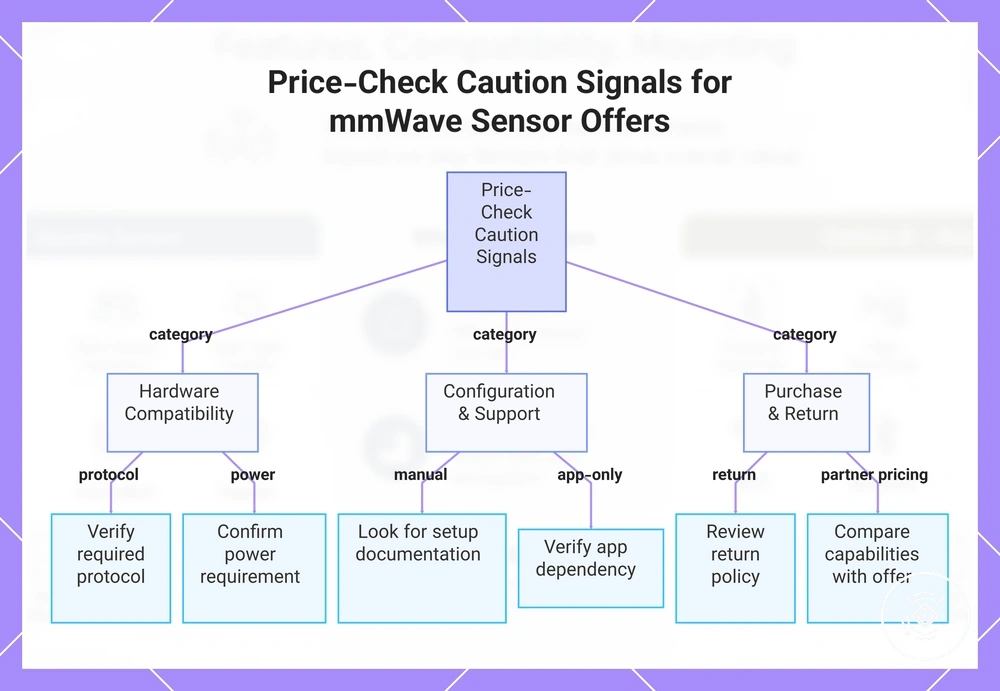
Missing technical information can make compatibility, feature value, and long-term support harder to judge. Price-Check Signals That Need Caution help separate offers that need clarification from those that may not suit the intended room, protocol, or automation requirements. The checklist below highlights the main verification signals.
- Unclear protocol label: Verify the required protocol because compatibility depends on the existing ecosystem.
- Missing power detail: Confirm the power requirement because installation fit depends on the available power source.
- Vague zone claim: Check how zone capability is defined because unclear wording can affect feature and value expectations.
- Unavailable manual: Look for setup documentation to clarify configuration, supported functions, and support expectations.
- App-only limitation: Verify whether operation depends on a specific app or account requirement because this may affect long-term usability.
- Return uncertainty: Review available return information because partner-specific conditions may affect post-purchase options.
- Partner-dependent pricing: Compare the listed capabilities with the current offer because price, availability, and included details may vary by partner.
This chart groups the main caution signals when evaluating a price-check offer for a mmWave presence sensor, showing the recommended verification for each.
Indicative Prices, Sale Pricing, and Partner Availability
Indicative price, sale pricing, and partner availability should be confirmed on the partner destination before they are treated as final. Prices, promotions, and availability for a mmWave presence sensor may change after you leave this page, so the final terms can differ from an earlier price indication. Offer freshness depends on when the partner information is viewed.
Sale pricing can vary because of temporary promotions, regional availability, or partner-specific updates. Shipping uncertainty, return uncertainty, and partner-dependent availability can also influence the final buying decision, making a quick verification worthwhile before relying on any displayed offer. The caution points below highlight the main checks.
- Caution: Confirm the indicative price because a price change may occur before reaching the partner destination.
- Caution: Check whether sale pricing reflects a temporary promotion and whether the offer remains current.
- Caution: Verify regional availability because shipping uncertainty and return uncertainty may vary by location or partner.
- Caution: Review partner availability and offer freshness to confirm that the displayed information reflects the current partner terms.
Product Examples Without Treating Models as the Main Topic
A product example provides illustrative support for a value category rather than making an individual model the main topic. Example options for a mmWave presence sensor can show how sensor type, protocol, mounting style, zone capability, and use-case fit influence decision criteria without shifting focus away from the central value evaluation.
Product examples are most useful when they are read as representative value patterns instead of rankings. The example block below shows how different categories may match different requirements while keeping selection based on fit, features, and setup conditions.
- Sensor type example: A value category can illustrate how sensor type may relate to different presence detection needs and room conditions.
- Protocol example: A representative example can show how protocol selection may influence ecosystem fit and automation compatibility.
- Mounting style example: An illustrative example can explain how mounting style may affect placement choices and room fit.
- Zone capability example: A category example can show when zone capability may become a relevant decision criterion for different spaces.
- Use-case fit example: An example option can demonstrate how a sensor category may align with a specific room requirement without becoming a model recommendation.
How to Judge the Best Value Option
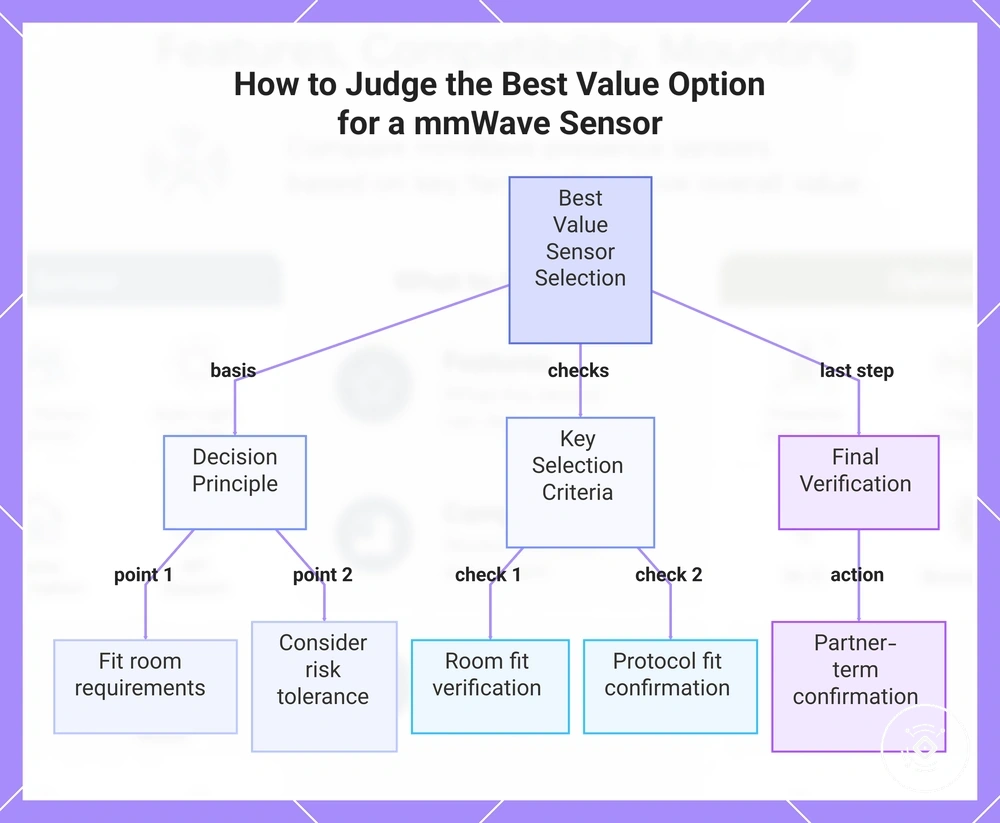
The best value option is the one that best fits the buyer’s room requirements and risk tolerance rather than the one with the lowest price. A mmWave presence sensor should be judged by how well its features, compatibility, and support conditions match the intended setup. The practical choice depends on fit over price alone.
A value decision combines price, features, compatibility, and risk instead of comparing cost in isolation. The checklist below turns these factors into final criteria for selecting a suitable value option.
For a budget-value decision, a lower-cost option may suit buyers with simple room requirements and limited automation needs. This choice can provide enough value when the setup accepts fewer adjustment options and the feature set matches the intended use condition.
For a balanced-value decision, a mid-range option may suit buyers who need a combination of compatibility, control, and automation payoff. This value choice depends on whether the additional capabilities improve room fit without adding unnecessary complexity.
For a premium-value decision, higher pricing may be suitable when added sensitivity control, support clarity, or configuration options address specific setup risks. Reviewing whether a mmWave sensor is worth it can help place these features within the broader value decision without turning this section into a separate evaluation.
The final decision should include partner-term verification before relying on any offer details. Confirming current availability, final terms, and setup conditions helps ensure the selected option matches the intended value fit.
The products below are useful examples for comparing available options. Before buying, check that the compatibility criteria, key features, and product details match your needs.
- Room fit: Verify that coverage and sensor capability match the intended room conditions to reduce setup mismatch.
- Protocol fit: Confirm that the protocol matches the existing ecosystem to reduce compatibility issues.
- Mounting fit: Check that the mounting style suits the installation environment to improve placement suitability.
- Sensitivity control: Assess whether adjustment options match the required detection conditions and automation goals.
- Automation payoff: Determine whether the expected room outcome justifies the selected capability level.
- Support clarity: Review available setup information and support details to reduce uncertainty.
- Partner-term verification: Confirm current partner terms because availability and final details may vary.
This chart shows the core principle, key criteria, and final verification for selecting the best value mmWave sensor based on fit and risk tolerance rather than price alone.