Raspberry Pi total cost and value
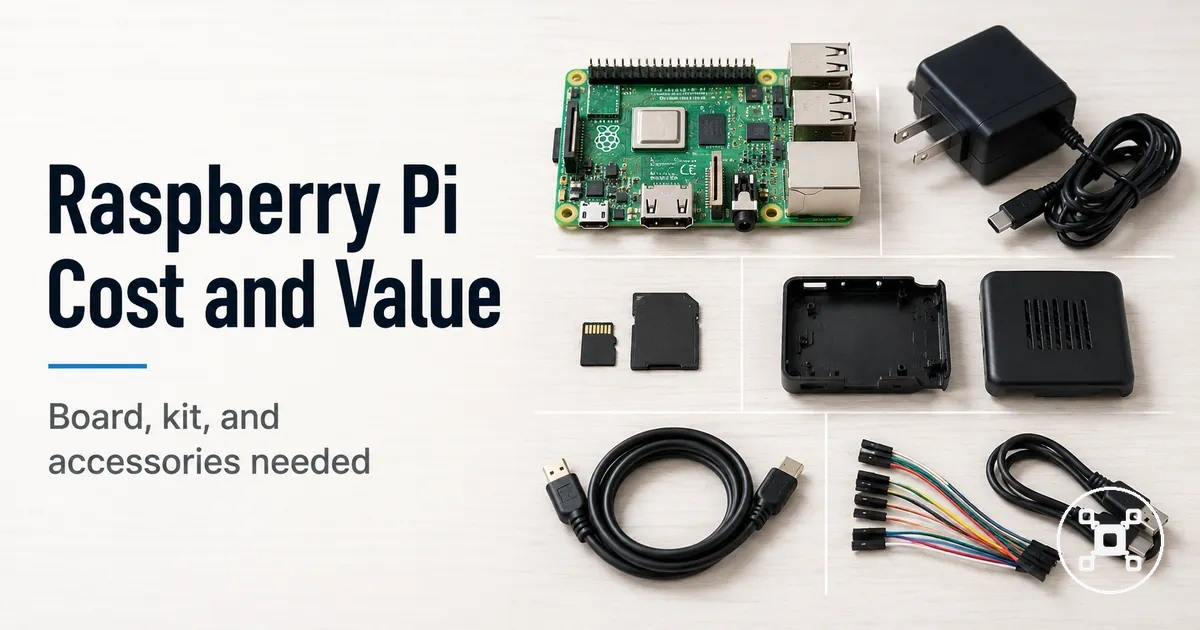
Raspberry Pi value is determined by comparing the board price with the complete setup cost required for a specific use case. A Raspberry Pi board represents the starting point of the upfront cost, while a usable setup can include supporting parts such as storage, power, cables, and other accessories. The right value depends on the intended use case and the balance between budget, reliability, and expected performance.

Accessories already owned can change the total budget of a Raspberry Pi setup. A user with existing peripherals may only need selected setup parts, while a user building a complete system may need a wider set of accessories. Estimating the setup cost by configuration type provides a clearer view of value for money than evaluating the board price alone.
Accessories already owned can change the total budget of a Raspberry Pi setup.
The main cost decision is whether a board-only path, a kit, or separate accessories provides the right combination of convenience and control. A starter kit can group required parts together, while separate accessories can suit users who already own compatible components. Exact prices are not treated as fixed totals because model choice, availability, accessory ownership, and intended use influence the final budget.
A starter kit can group required parts together, while separate accessories can suit users who already own compatible components.
Raspberry Pi total ownership cost includes the upfront cost of creating the setup and the ongoing considerations connected to using it over time. Running cost, replacement needs, and reliability expectations can affect whether a Raspberry Pi setup provides suitable value for a particular project.
Table of Contents
What the total Raspberry Pi cost includes
Total Raspberry Pi cost includes the board price plus the setup parts required to create a usable system. The complete setup cost is not limited to the Raspberry Pi board because a practical setup can also require boot media, power supply, case, cables, and input devices. The final budget depends on the setup type, existing equipment, and intended use case.
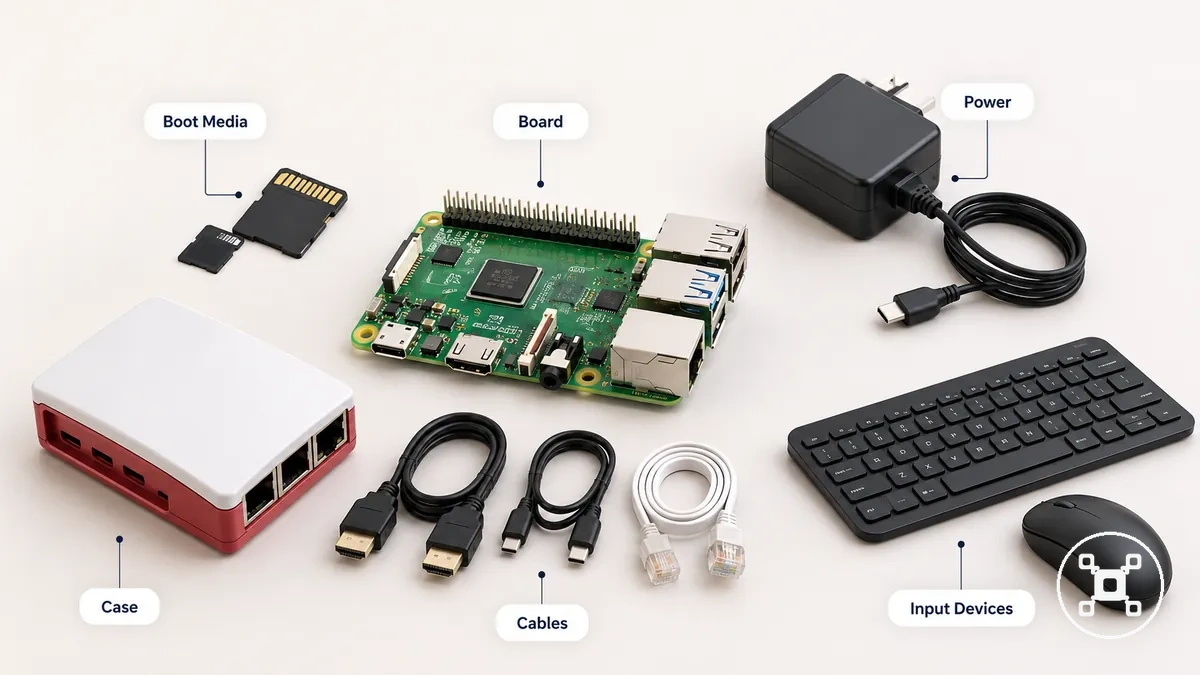
The Raspberry Pi hub provides the broader category context, while this total cost view focuses on the components that shape the overall budget. A Raspberry Pi setup includes different cost categories based on whether parts such as storage, power supply, cables, or input devices are already available or need to be added.
The total Raspberry Pi cost estimate covers the main setup categories without turning each accessory into a separate buying decision.
The total Raspberry Pi cost estimate covers the main setup categories without turning each accessory into a separate buying decision. Detailed accessory requirements are handled separately, while this overview defines which components contribute to the complete setup cost.
| Component | Needed when | Cost effect | Value risk |
|---|---|---|---|
| Raspberry Pi board | Required as the main computing component of a Raspberry Pi setup | Creates the board price portion of the total budget | A board choice that does not match the use case can reduce value for money |
| Boot media | Needed when the Raspberry Pi setup requires storage for operation and files | Adds a storage-related setup cost | Storage selection can influence reliability and long-term usability |
| Power supply | Needed when an existing suitable power source is not available | Adds the power component cost to the setup | An unsuitable power supply choice can affect setup reliability |
| Case | Needed when physical protection or enclosure requirements apply | Adds a setup-dependent cost | Case selection can influence protection and cooling considerations |
| Cables | Needed when required connections are not already available | Adds connection-related setup costs | Duplicate or unused cables can reduce budget efficiency |
| Input devices and display access | Needed when direct interaction through peripherals is required | Adds usability-related setup costs | Existing peripherals can reduce additional spending |
Board price, boot media, power, case, cables, and input parts
Raspberry Pi setup cost increases when the board price is considered together with the parts needed for a usable system. The main cost difference comes from whether each component is required, optional, or already available for the intended use case. Each accessory affects the total budget, reliability, and convenience of the setup.
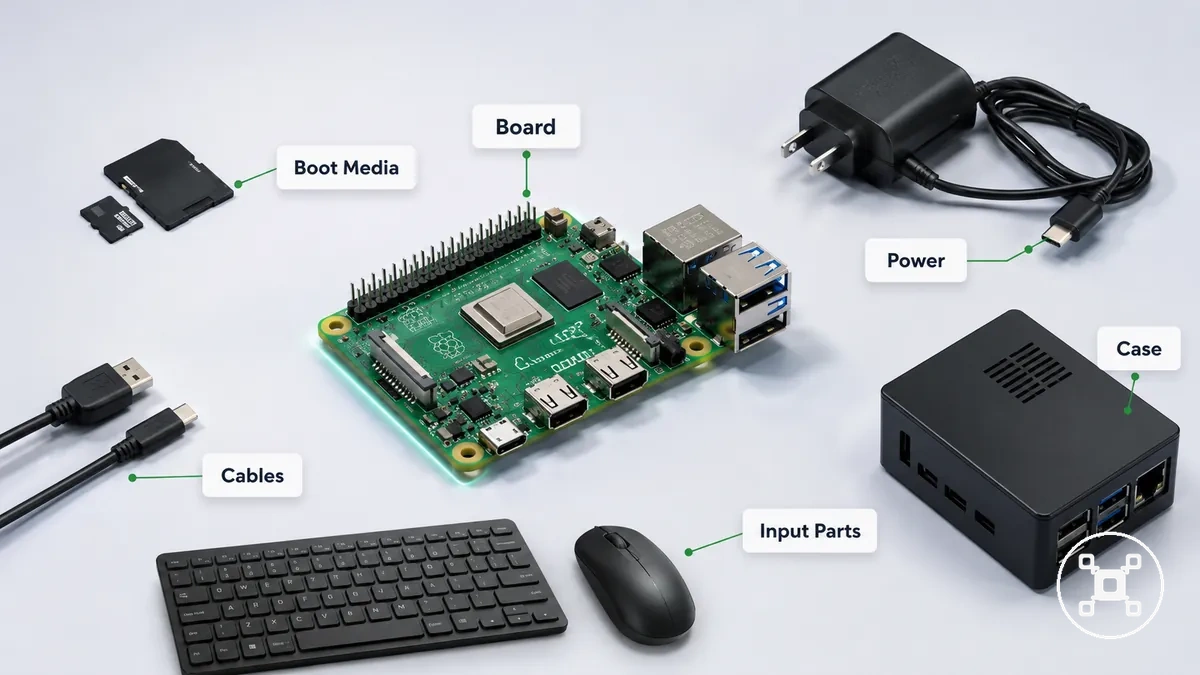
A Raspberry Pi board provides the core computing component, while setup parts complete the practical configuration. Raspberry Pi accessories needed covers deeper accessory selection, while this section focuses on how each part changes the cost stack.
- Raspberry Pi board: The board is the starting component of the setup cost. Its value depends on how well the board matches the intended use case and performance expectation.
- Boot media: A microSD card or other storage option is required when the Raspberry Pi setup needs local storage for operation and files. Existing suitable storage can reduce additional setup costs, while adding new storage increases the budget.
- Power supply: A power supply is a required setup part when an appropriate power source is not already available. A suitable power setup supports reliable operation for the intended configuration.
- Case and cooling: A case is optional when physical protection or enclosure is needed. Cooling considerations become relevant when the setup conditions create higher heat management needs.
- Cables: Cables are required when the needed connections are not already available. Reusing compatible cables can reduce duplicate costs, while additional cables add to the setup budget.
- Keyboard, mouse, and display access: Input devices and display access are required for setups that need direct interaction. Existing peripherals can reduce the number of additional parts needed.
One-time setup cost versus running cost
Raspberry Pi upfront cost and running cost describe two different parts of total ownership cost. Upfront cost covers the initial setup cost created by the board and required parts, while running cost covers ongoing factors connected to continued use. The balance between these costs depends on the use case, operating pattern, and long-term reliability needs.
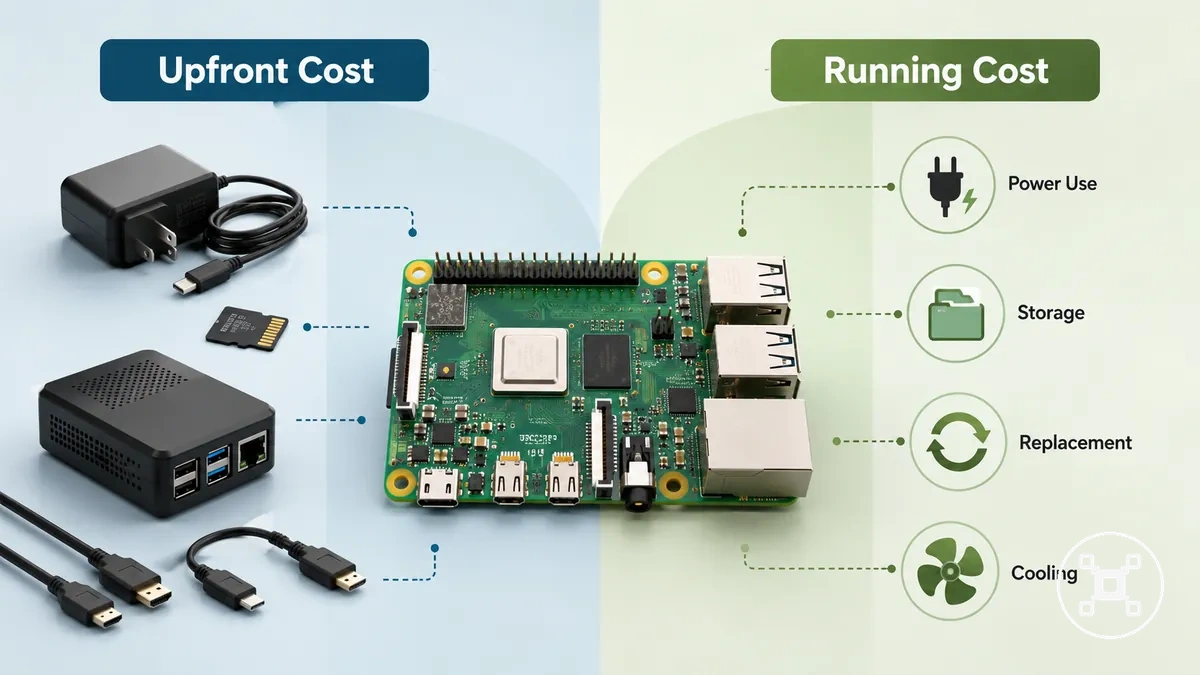
Upfront cost is shaped by the parts needed when creating a Raspberry Pi setup, while running cost is shaped by conditions after the setup is in use. Device use time, power requirements, storage condition, accessory replacement, and cooling considerations can influence total ownership cost in different ways depending on the project.
Value for money comes from matching the Raspberry Pi setup cost and running cost to the expected use case and performance requirements.
An occasional learning setup may place more focus on the initial budget and reusable parts, while an always-on project may require closer attention to ongoing reliability considerations. Value for money comes from matching the Raspberry Pi setup cost and running cost to the expected use case and performance requirements.
- Upfront cost: Includes the initial Raspberry Pi setup cost for the board and required setup parts.
- Running cost: Includes ongoing ownership factors such as continued power use, storage condition, and replacement needs.
- Device use time: Longer operating periods can make ongoing cost factors more relevant than they are for occasional projects.
- Accessory replacement: Replacing parts after extended use can add to total ownership cost when components need renewal.
- Cooling needs: Cooling requirements are a setup condition that can influence accessory choices and reliability considerations.
Raspberry Pi setup cost by budget level
Raspberry Pi setup cost changes by budget level because each use case requires a different combination of parts, accessories, and performance expectations. A budget-focused setup may prioritize essential components and reused equipment, while a more capable setup may include additional parts for broader functionality. The final value depends on how the configuration matches the intended use case.
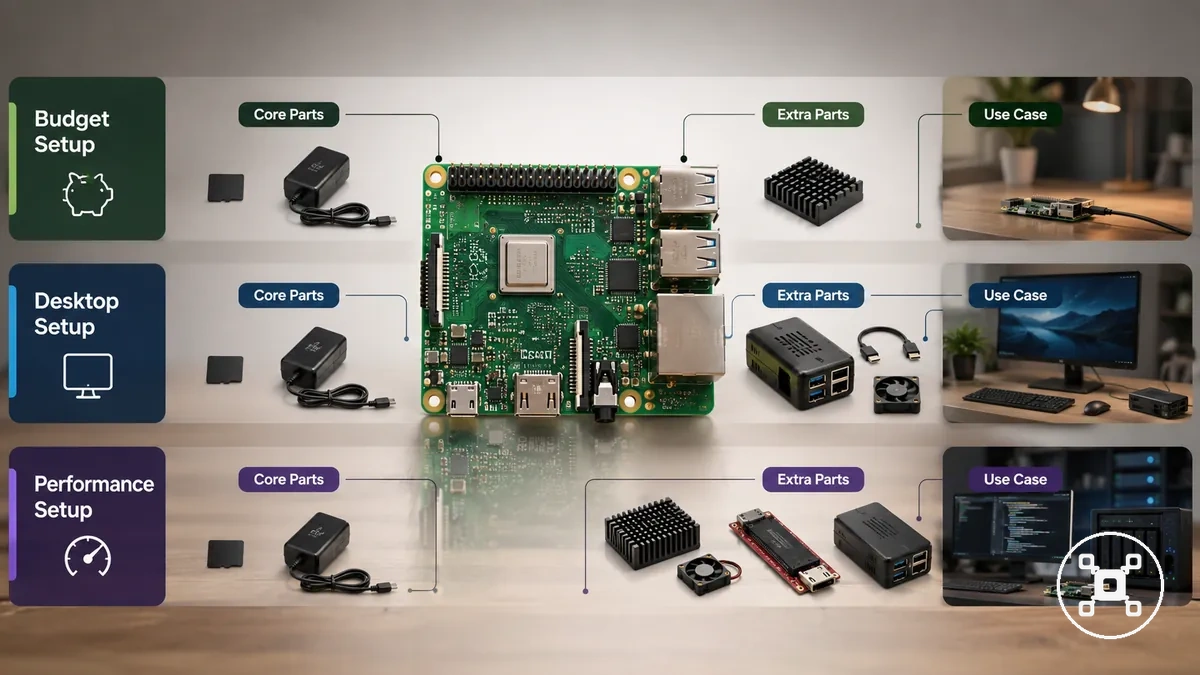
Total ownership cost is influenced by the Raspberry Pi board, setup parts, available accessories, and reliability requirements. Comparing setup types helps show how upfront cost and running cost considerations change without treating budget levels as fixed price tiers.
| Setup type | Required parts | Typical condition | Cost or value effect |
|---|---|---|---|
| Budget setup | Raspberry Pi board, essential storage, power supply, and required connections | Used for basic projects or learning when existing accessories can be reused | Lower upfront cost when fewer additional parts are needed, with value depending on the use case |
| Desktop-capable setup | Raspberry Pi board, storage, power supply, case, cables, and input devices | Used when direct interaction and broader usability are required | Higher setup cost from additional parts, balanced by increased convenience for desktop-style use |
| Higher-performance setup | Raspberry Pi board with supporting parts selected for project requirements | Used when the project places more importance on reliability, storage, cooling, or performance expectations | Additional spending can improve suitability when added components match the project requirements |
Budget headless or learning setup
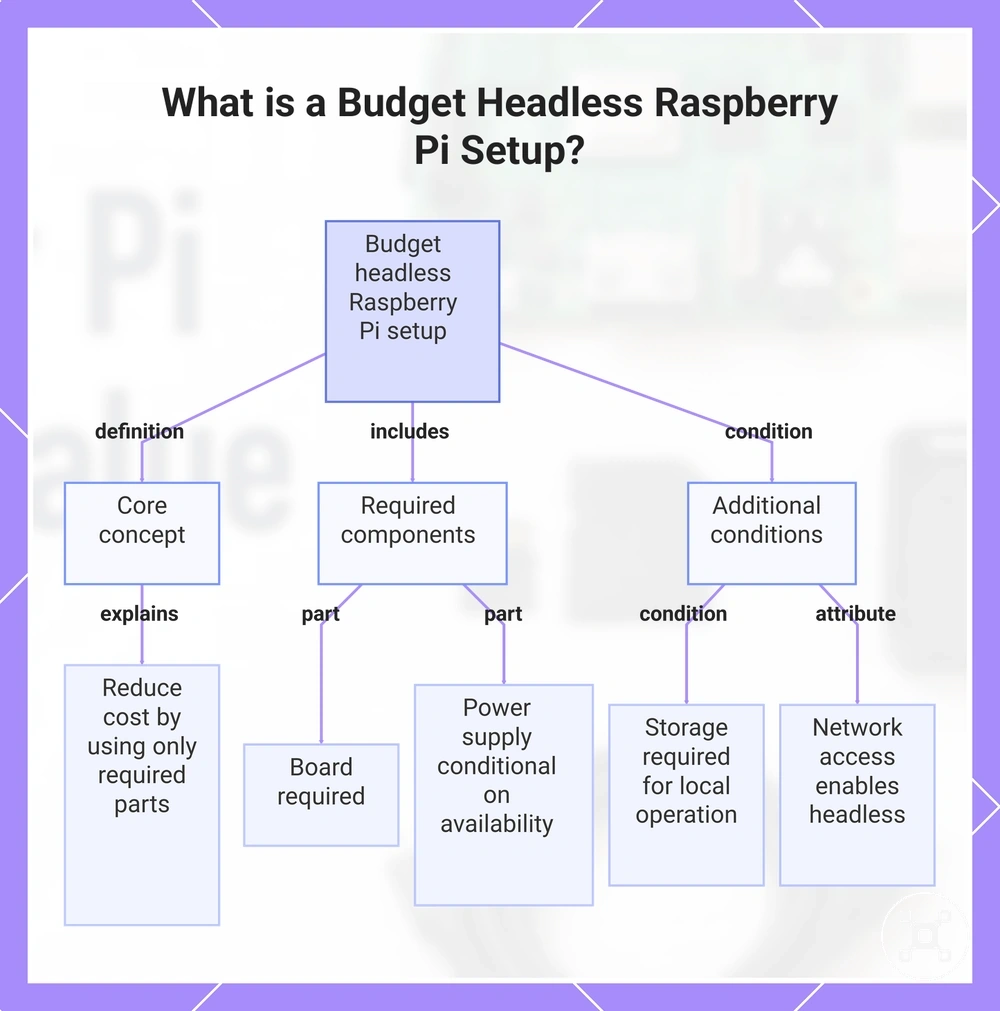
A budget headless or learning Raspberry Pi setup focuses on reducing setup cost by using only the parts required for the intended use case. This type of setup supports learning, simple projects, and remote access scenarios where desktop peripherals are not required. The main cost condition is whether suitable existing equipment can be reused or whether additional parts need to be added.
A Raspberry Pi learning setup can reduce the budget when reusable peripherals and existing connections are available.
A Raspberry Pi learning setup can reduce the budget when reusable peripherals and existing connections are available. For example, a user with an available power supply, storage, or network access may only need selected setup parts instead of a complete set of accessories. The value of this approach comes from matching required components to the project while keeping unnecessary additions limited.
- Raspberry Pi board: Required as the main computing component. The board contributes to the upfront setup cost.
- Power supply: Required when a suitable power source is not already available. Reusing an appropriate power supply can reduce additional setup cost.
- Storage: Required when the Raspberry Pi setup needs local storage for operation and files. Existing suitable storage can reduce the need for additional spending.
- Network access: Supports headless setups that use remote access instead of direct desktop operation. Existing network access can reduce the need for extra peripherals.
- Desktop peripherals: Optional for display-free learning scenarios. Avoiding keyboard, mouse, and display parts can reduce the initial budget when they are not required.
This chart shows the core concept, required components, and conditions for a budget headless Raspberry Pi learning setup.
Desktop-capable setup with storage and peripherals
A desktop-capable Raspberry Pi setup increases the budget when the goal changes from basic board function to desktop usability. This setup scenario adds components for direct interaction, including storage, display access, and peripherals that support everyday use. The main cost condition is whether these parts are already available or need to be added to the setup.
A Raspberry Pi desktop setup can reduce additional spending when existing peripherals are reusable.
A Raspberry Pi desktop setup can reduce additional spending when existing peripherals are reusable. For example, a user with an available display, keyboard, mouse, or suitable cables may only need selected components instead of a complete desktop-style configuration. Storage, power supply, case, and cooling choices can influence usability and reliability based on the intended use case.
| Part | Condition | Cost effect | Usability or reliability impact |
|---|---|---|---|
| Storage | Required when the Raspberry Pi desktop setup needs local files and applications | Adds setup cost when suitable storage is not already available | Storage choice can influence reliability and daily usability |
| Display cable | Required when the Raspberry Pi connects to a display | Adds a connection cost when a reusable cable is not available | Enables direct desktop interaction |
| Keyboard and mouse | Required for direct desktop control when existing peripherals are unavailable | Adds peripheral costs to the budget | Changes the setup from headless use to direct interaction |
| Power supply | Required when a suitable power source is not already available | Adds a necessary setup component cost | A suitable power supply supports reliable operation |
| Case and cooling | Relevant when protection or heat management considerations apply | Adds optional or condition-based setup costs | Can support reliability depending on the setup conditions |
Higher-performance or kit-based setup
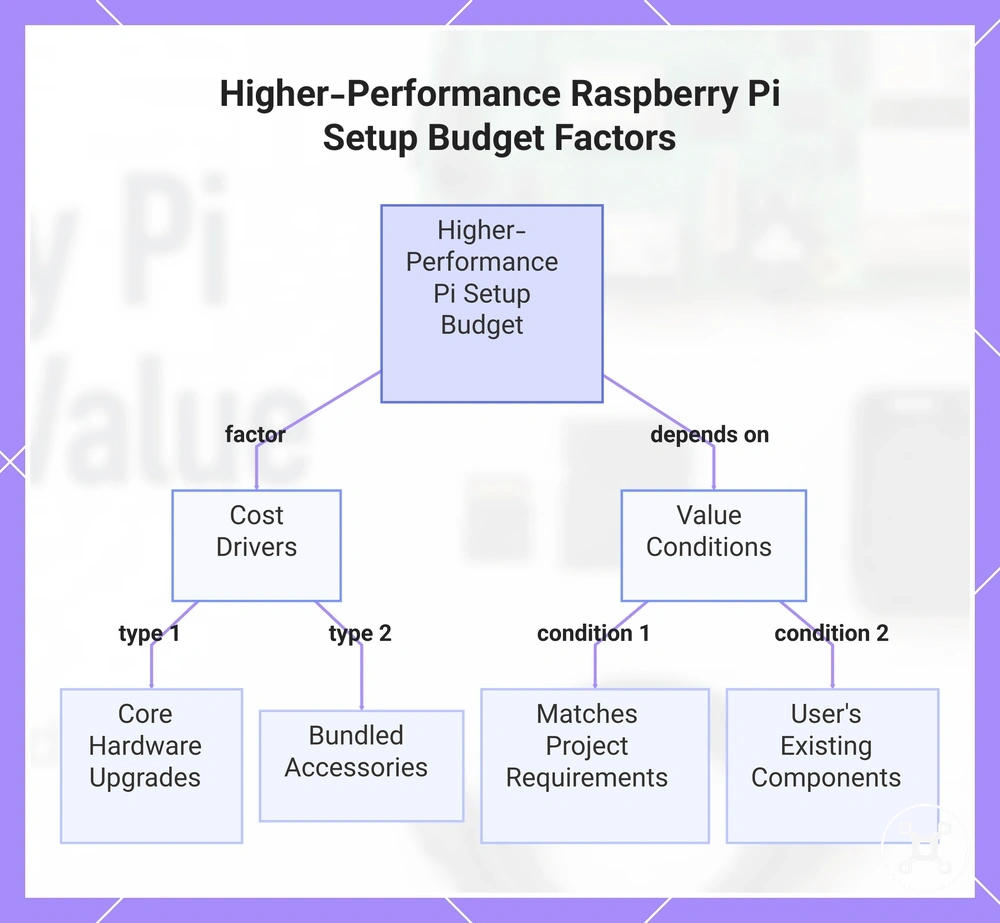
A higher-performance or kit-based Raspberry Pi setup can increase the budget when the project requires more supporting components than a basic configuration. This setup scenario may include better storage, active cooling, stronger power support, or bundled accessories that reduce missing-part concerns. The added cost is useful when the components match the intended use case and reliability requirements.
The added cost is useful when the components match the intended use case and reliability requirements.
A Raspberry Pi kit-based setup can help users who need a more complete starting point and want fewer compatibility concerns between parts. For example, a beginner building a project with limited existing peripherals may benefit from included accessories, while an experienced user may already have suitable components and avoid duplicate parts. The value of higher-performance choices depends on the project requirements, performance expectations, and long-term setup needs.
- Board choice: A higher-performance Raspberry Pi board can increase upfront cost when the use case requires additional capability. The cost is justified when the added capability matches the project requirements.
- Storage: Improved storage can increase setup cost when the project requires more suitable storage conditions. The value depends on the storage needs and expected use.
- Cooling: Active cooling can add cost when the setup conditions require additional heat management. The benefit depends on the operating demands of the project.
- Power supply: A suitable power supply can increase the budget when the setup requires stronger power support. The choice can influence reliability for the intended configuration.
- Bundled accessories: A kit can add convenience when included parts reduce missing-component risk. The value depends on whether the included accessories match the Raspberry Pi setup requirements.
This chart shows the main cost drivers and value conditions that determine when a higher-performance or kit-based Raspberry Pi setup is worth the budget increase.
Board-only, starter kit, and accessory bundle value
Raspberry Pi purchase paths differ because board-only, starter kit, and accessory bundle options balance completeness, convenience, and cost in different ways. The main comparison is whether existing parts are available or whether included parts reduce missing-component decisions. The value trade-off depends on the buyer's budget, required setup parts, and intended use case.
The value trade-off depends on the buyer's budget, required setup parts, and intended use case.
Board-only Raspberry Pi purchases can suit users who already have suitable accessories and want to choose each component separately. A starter kit or accessory bundle can provide convenience when included parts reduce setup gaps, but the premium may not add value if duplicate parts are already owned. The right choice depends on whether completeness or lower upfront spending is the stronger priority.
The comparison below focuses on purchase paths rather than product listings or fixed totals.
The Raspberry Pi kit or board decision can be understood by comparing included parts, buyer conditions, and the resulting cost-value effect. The comparison below focuses on purchase paths rather than product listings or fixed totals.
| Purchase path | What is included | Best fit | Cost-value trade-off |
|---|---|---|---|
| Board-only | Raspberry Pi board, with other setup parts selected separately | Users who already own suitable accessories or want control over component choices | Can reduce upfront cost when existing parts are reusable, but missing accessories may increase setup effort |
| Starter kit | Raspberry Pi board with a selected set of included parts for a more complete setup | Users who prefer convenience and fewer separate component decisions | The premium can provide convenience through included parts, but duplicate accessories may reduce value |
| Accessory bundle | Additional Raspberry Pi accessories grouped to support an existing or planned setup | Users who need specific supporting parts rather than a full purchase path | Can improve completeness when required parts are missing, while value depends on whether included accessories match the use case |
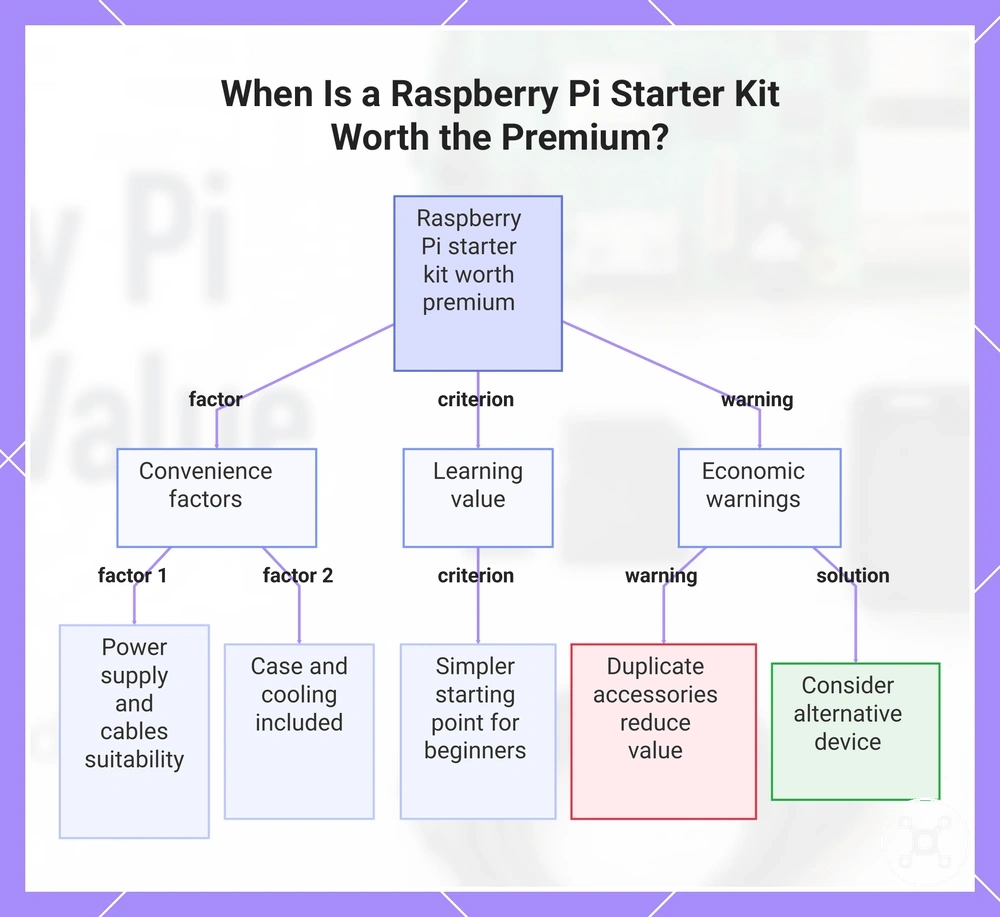
When a starter kit is worth the premium
A Raspberry Pi starter kit can be worth the premium when the included parts match the intended use case and reduce setup decisions. The extra cost is less useful when included parts duplicate existing accessories or do not support the planned setup. The main criterion is whether kit convenience provides more value than selecting separate components.
The main criterion is whether kit convenience provides more value than selecting separate components.
A starter kit can provide learning value for beginners who need a simpler starting point and fewer component choices. The value depends on accessory ownership, performance expectations, included parts, and the reliability needs of the Raspberry Pi setup. A kit with suitable power supply, case, cooling, and cables can reduce setup friction, while a kit with missing or unsuitable accessories may provide less value for the user.
A starter kit can provide learning value for beginners who need a simpler starting point and fewer component choices.
The following checklist helps identify when Raspberry Pi kit convenience may justify the additional cost compared with a separate component approach.
- Beginner learning: A starter kit may be worth considering when learning value is the priority and included parts reduce the difficulty of choosing separate components.
- Accessory ownership: A kit may offer less value when compatible accessories are already available because duplicate parts can increase unused components.
- Power supply confidence: A kit with a suitable power supply can improve convenience when a reliable power option is not already available.
- Case and cooling needs: Included case or cooling parts can add value when the Raspberry Pi use case requires additional protection or heat management support.
- Cable compatibility: A kit can reduce setup friction when included cables match the required connections, while unsuitable cables reduce the convenience benefit.
- Included parts review: A starter kit should be evaluated by the usefulness of its included parts rather than the presence of a bundle alone.
- Alternative device consideration: A different device may be more suitable when the Raspberry Pi performance expectations do not match the kit configuration or intended use case.
This chart shows the main factors that determine whether a Raspberry Pi starter kit provides enough value to justify its premium price over buying separate components.
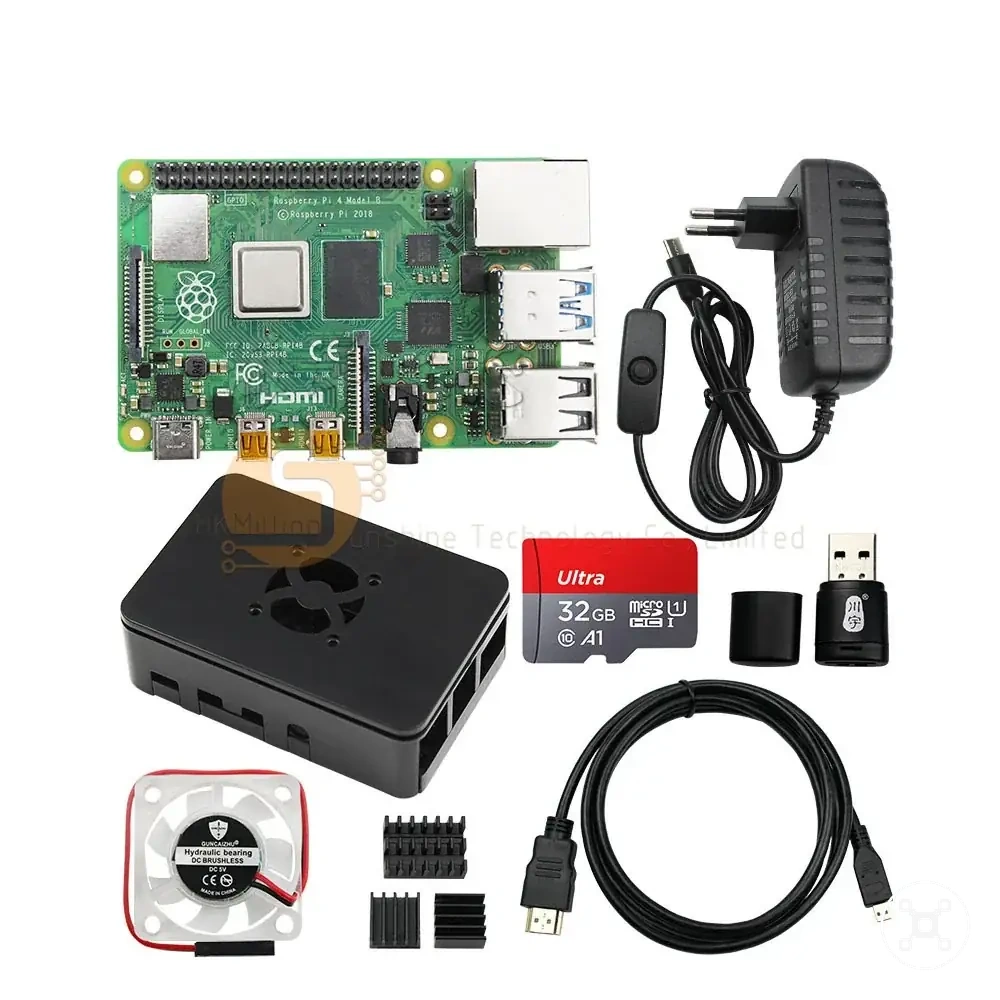
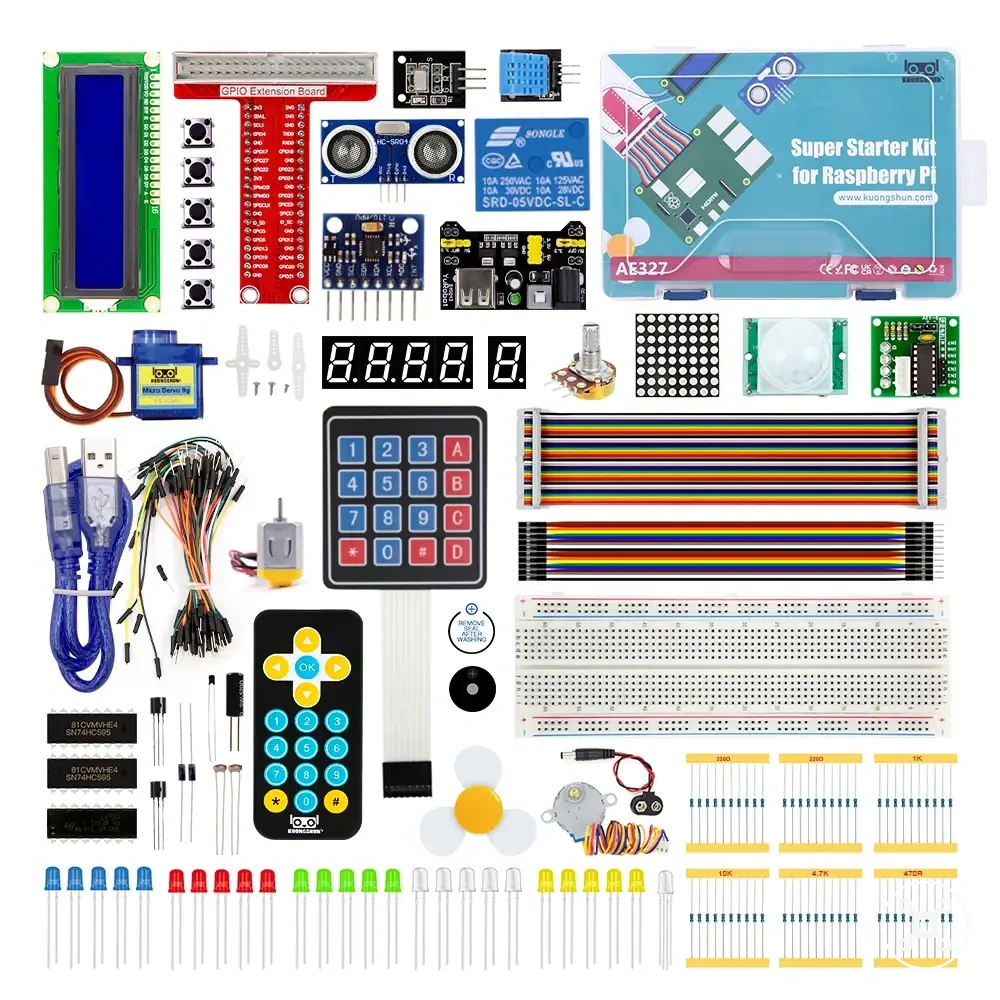
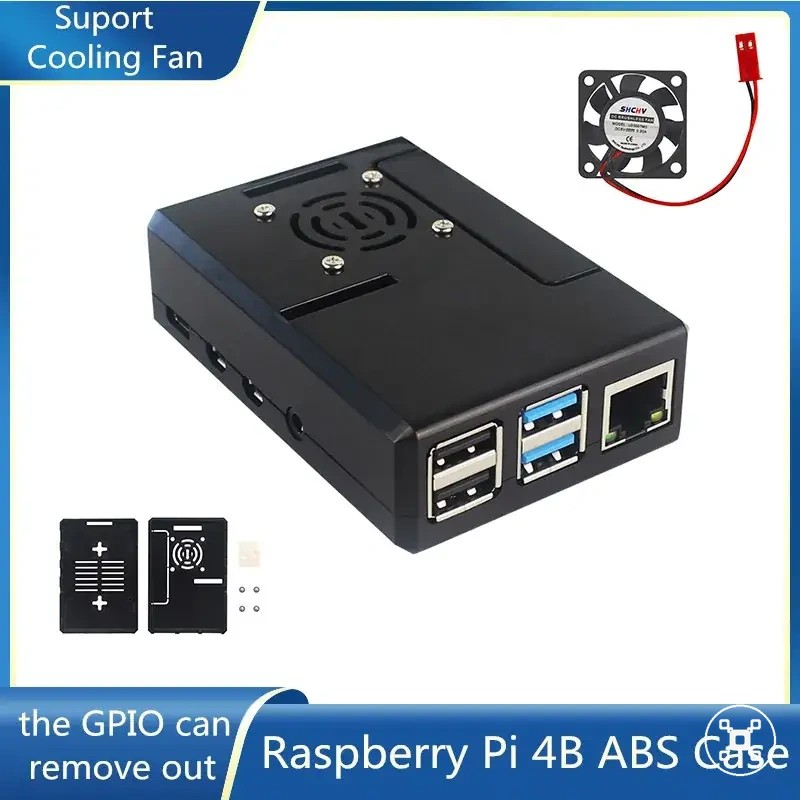
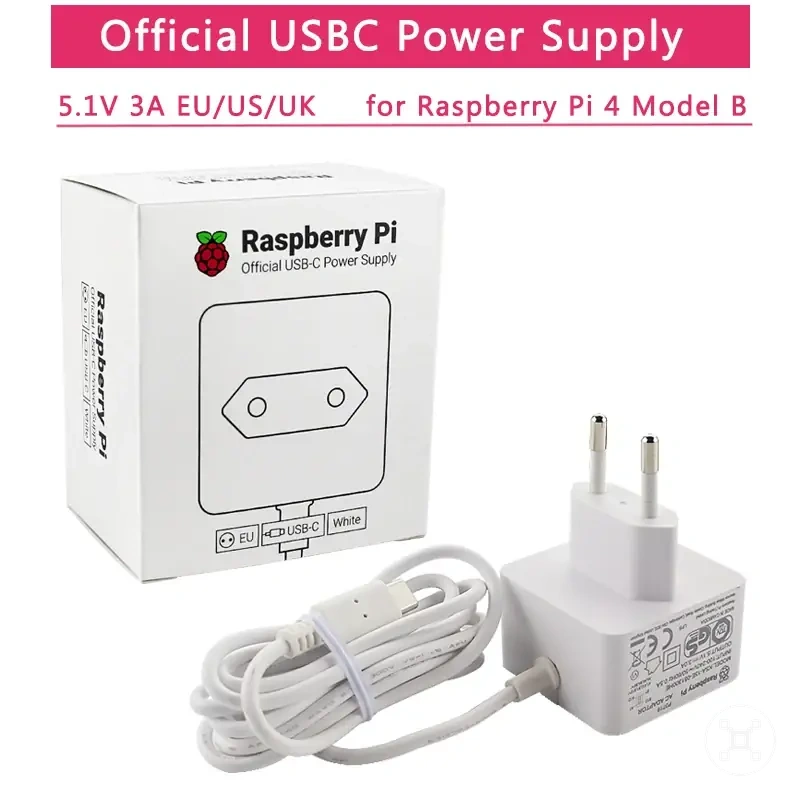
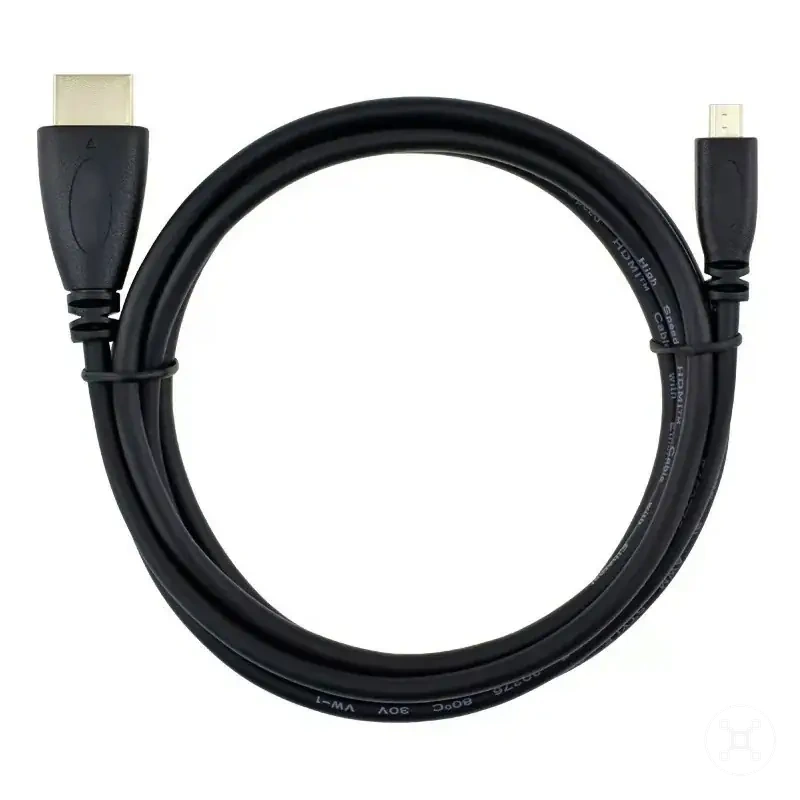
The products below are useful examples for comparing available options. Before buying, check that the compatibility criteria, key features, and product details match your needs.
When separate accessories are better value
Separate Raspberry Pi accessories can be better value when the user already owns suitable parts or needs specific components that a bundled kit does not provide. This approach is useful when accessory ownership, preferred specifications, or the intended use case make individual selection more practical. The main decision criterion is whether selecting separate parts improves value for money without adding unnecessary setup complexity.
The main decision criterion is whether selecting separate parts improves value for money without adding unnecessary setup complexity.
Separate buying can support better choices when a Raspberry Pi setup requires specific storage, power supply, cooling, or other accessories that match the project requirements. A user with existing peripherals may avoid paying for duplicate parts, while another user may select components that better match performance expectations and reliability needs. For example, a learner who already has suitable peripherals may only need the board and selected accessories instead of a complete kit.
The following checklist helps identify when separate Raspberry Pi accessories may provide better value than a bundled option.
The following checklist helps identify when separate Raspberry Pi accessories may provide better value than a bundled option.
- Accessory ownership: Separate accessories may be worth it when existing peripherals are already suitable because avoiding duplicate parts can reduce unnecessary spending.
- Power supply needs: Selecting a separate power supply can provide better value when the Raspberry Pi use case requires a specific power option rather than a bundled component.
- Storage preference: Separate storage selection can improve value when the user wants storage that matches the intended workload instead of accepting an included option that may not fit.
- Cooling choice: Choosing cooling separately can provide better value when the setup has specific cooling requirements rather than needing a standard bundled part.
- Duplicate bundle items: Separate buying can reduce unused components when a kit includes accessories that the user already owns.
- Alternative device consideration: Comparing a Raspberry Pi setup with an alternative device can help when the required performance expectations do not match the planned use case.
The products below are useful examples for comparing available options. Before buying, check that the compatibility criteria, key features, and product details match your needs.
Accessory choices that change Raspberry Pi cost and reliability
Raspberry Pi accessory choices can change both setup cost and reliability because the quality and suitability of each component affect the overall value of the setup. The main cost difference comes from selecting accessories that match the intended use case rather than adding parts without a clear purpose. The right choice depends on whether each accessory is required, optional, or already available.
The right choice depends on whether each accessory is required, optional, or already available.
Power supply, microSD card, case, cooling, and cable choices can influence reliability and total ownership cost in different ways. A suitable accessory can support a stable Raspberry Pi setup, while an unsuitable choice may create replacement needs or reduce the value of the initial budget. Detailed accessory requirements remain a separate topic; this section focuses on the cost and reliability factors behind accessory decisions.
| Entity/part | Attribute/criterion | Value/condition | Effect/risk/decision |
|---|---|---|---|
| Power supply | Suitability | Required when the Raspberry Pi setup needs a suitable power source for the intended use case | A suitable power supply can support reliability, while an unsuitable option may increase replacement needs |
| microSD card | Storage suitability | Required when the Raspberry Pi setup uses local storage for operation and files | Storage selection affects cost value because unsuitable storage may require replacement or adjustment |
| Case | Protection role | Optional when physical protection or enclosure is needed | A suitable case can support protection, while unnecessary additions may increase setup cost without improving the use case |
| Cooling | Heat management role | Optional when the Raspberry Pi setup conditions require additional cooling support | Cooling choices can influence reliability considerations based on operating conditions |
| Cable | Connection suitability | Required when existing cables do not provide the needed connection for the setup | A suitable cable can reduce compatibility issues, while unsuitable cables may create additional replacement needs |
Power supply, storage, case, cooling, and cable trade-offs
Raspberry Pi accessory choices can change cost and reliability because each component has a different role in supporting a stable setup. The main trade-off is whether spending more on a required or optional accessory improves reliability enough for the intended use case. The right balance depends on accessory suitability, reuse potential, and setup conditions.
The right balance depends on accessory suitability, reuse potential, and setup conditions.
Power supply, microSD card, case, cooling, and cable choices affect Raspberry Pi value through their quality, compatibility, and role in the setup. A suitable accessory can reduce avoidable replacement needs, while an unsuitable choice may reduce reliability or add extra cost later. Spending more is most useful when the accessory directly supports the performance expectation or reliability requirement of the setup.
The table below connects each core accessory to its cost and reliability trade-off.
The table below connects each core accessory to its cost and reliability trade-off.
| Entity/part | Attribute/criterion | Value/condition | Effect/risk/decision |
|---|---|---|---|
| Power supply | Quality and suitability | Required when the Raspberry Pi setup needs a suitable power source for the intended use case | A suitable power supply can support reliability, while an unsuitable option may increase troubleshooting or replacement needs |
| microSD card | Storage quality and reuse potential | Required when the Raspberry Pi setup uses local storage; reusable storage can reduce additional cost when it remains suitable | Storage choice affects reliability and total value because unsuitable storage may require replacement |
| Case | Protection and compatibility condition | Optional when the Raspberry Pi setup requires physical protection or a specific enclosure arrangement | A suitable case can support protection, while an unnecessary case may add cost without improving the use case |
| Cooling | Heat management requirement | Optional when the Raspberry Pi setup conditions require additional cooling support | Cooling can improve reliability when heat management is relevant, but it may add cost when the condition does not require it |
| Cable | Connection suitability and reuse potential | Required when existing cables do not provide the needed connection for the Raspberry Pi setup | A suitable cable can reduce compatibility issues, while unsuitable cables may create additional replacement needs |
Cheap parts that raise failure or replacement risk
Low-cost Raspberry Pi parts can become worse value when they introduce reliability risk or create avoidable replacement needs. The choice is worthwhile only when the lower cost still matches the setup requirements and performance expectations. The main criterion is whether the part supports reliable operation for the intended use case.
The right criteria help identify where saving money may create additional cost later.
The right criteria help identify where saving money may create additional cost later. A Raspberry Pi setup should consider the power supply, microSD card, cable fit, case design, and cooling requirements before choosing lower-cost parts. The strongest decision signal is whether the accessory remains suitable for the expected conditions rather than only reducing the initial budget.
The strongest decision signal is whether the accessory remains suitable for the expected conditions rather than only reducing the initial budget.
Use these risk signals to evaluate whether a cheaper component may reduce value:
- Power supply: Check whether the power supply meets the Raspberry Pi setup requirements. A weak or unsuitable option can increase reliability risk and may require replacement.
- microSD card: Check whether the microSD card is suitable for the intended use case. An unreliable storage choice can reduce value through replacement needs or reduced performance limits.
- Cable fit: Check whether the cable matches the required connection for the setup. Poor cable fit can create compatibility concerns and additional replacement costs.
- Case design: Check whether the case supports the setup conditions. A case that does not suit the environment may reduce the value of the accessory choice.
- Cooling: Check whether cooling is required for the Raspberry Pi use case. Missing cooling where heat management is needed can increase reliability risk.
- Decision signal: Prefer parts that match the performance expectations and reliability needs of the setup rather than selecting a lower-cost option that may create avoidable replacement needs.
The products below are useful examples for comparing available options. Before buying, check that the compatibility criteria, key features, and product details match your needs.
How to decide whether a Raspberry Pi is worth it
A Raspberry Pi can be worth it when the intended use case matches the required performance, learning value, and available setup budget. It may be less suitable when the project needs capabilities beyond the Raspberry Pi hardware, accessories, or expected performance level. The main criterion is whether the Raspberry Pi provides enough value for the user's specific goal.
The strongest decision signal is whether the setup requirements match the intended use case.
The decision depends on how the Raspberry Pi will be used, what parts are already available, and how much convenience the user needs from the setup. Learning projects may gain value from experimentation and skill development, while compact servers or desktop-like use require closer attention to performance, reliability, and accessory ownership. The strongest decision signal is whether the setup requirements match the intended use case.
Reusable parts, kit convenience, and alternative-device fit help determine the overall value of a Raspberry Pi setup.
Reusable parts, kit convenience, and alternative-device fit help determine the overall value of a Raspberry Pi setup. Users with existing power supply, storage, case, or cable options may evaluate the total budget differently from users creating a complete setup. A choose a Raspberry Pi decision should match the project requirements, while Raspberry Pi models compared can help when performance expectations affect suitability.
Users with existing power supply, storage, case, or cable options may evaluate the total budget differently from users creating a complete setup.
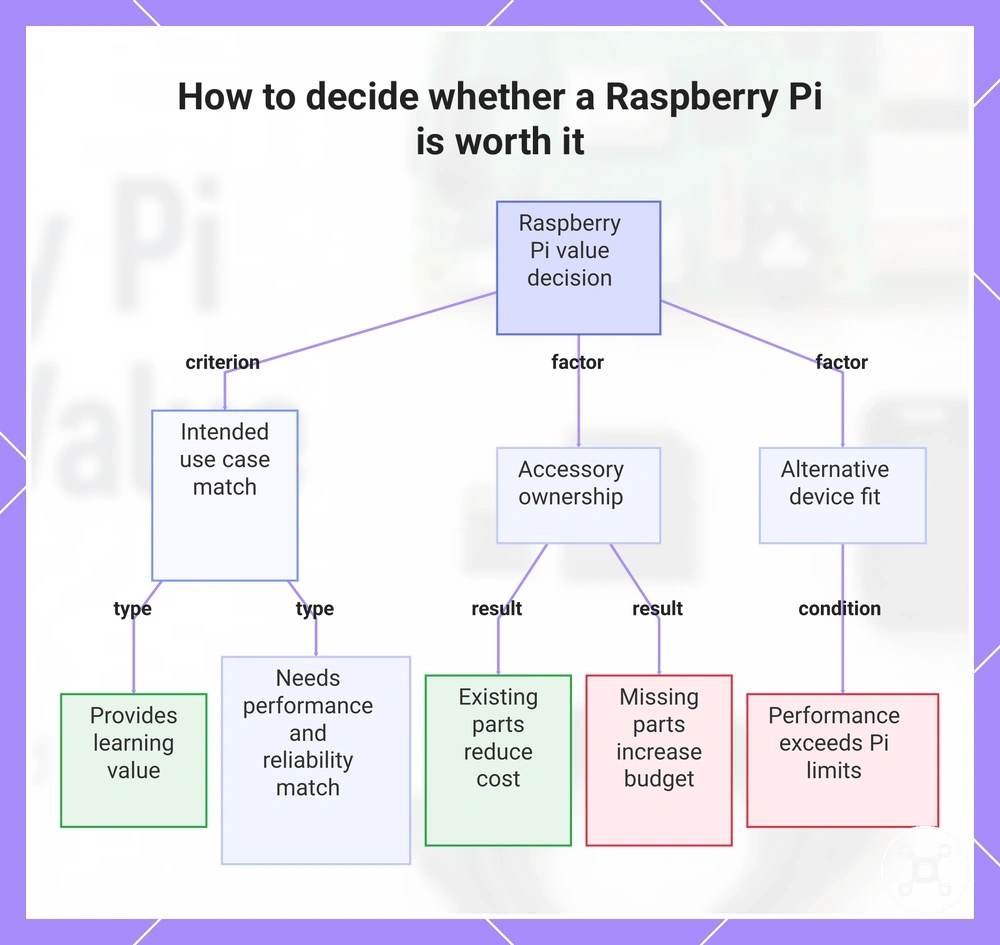
Consider these decision criteria when evaluating whether a Raspberry Pi is worth the cost:
- Learning projects: A Raspberry Pi may provide learning value when the goal is exploring programming, electronics, or hardware concepts.
- Compact server use: A Raspberry Pi setup may be suitable when the required workload fits the expected performance and reliability needs.
- Desktop-like use: A Raspberry Pi desktop setup may provide value when the required applications, peripherals, storage, and performance expectations align with the intended tasks.
- Accessory ownership: Existing compatible accessories can improve value because they may reduce additional setup cost, while missing parts may increase the total budget.
- Alternative device fit: An alternative device may be more suitable when the required performance, software needs, or workload exceed what a Raspberry Pi setup is intended to provide.
The final Raspberry Pi value decision comes from balancing the total budget, performance expectations, learning value, kit convenience, accessory ownership, and reliability needs for the specific use case.
The products below are useful examples for comparing available options.
The products below are useful examples for comparing available options. Before buying, check that the compatibility criteria, key features, and product details match your needs.
This chart shows the main decision criteria for evaluating whether a Raspberry Pi setup is worth the cost.
Use case, performance limits, and learning value
A Raspberry Pi is more likely to be worth the cost when the intended use case fits its performance limits and the user values its learning benefits. It may be a weaker choice when the required workload, software needs, or setup expectations exceed what the Raspberry Pi can reasonably provide. The main criterion is whether the setup matches the user's goals.
The main criterion is whether the setup matches the user's goals.
The decision depends on workload type, software requirements, storage expectations, always-on behaviour, accessory ownership, and tolerance for setup effort. A Raspberry Pi can provide learning value through experimentation, while users focused on raw computing power may need a different approach. The strongest decision signal is whether the expected performance and reliability needs align with the planned use case.
The strongest decision signal is whether the expected performance and reliability needs align with the planned use case.
Use these criteria to check whether a Raspberry Pi fits the intended project:
- Workload type: A Raspberry Pi setup can provide value when the workload matches its performance limits. Projects requiring higher computing capacity may need a different device category.
- Software needs: A Raspberry Pi is a better fit when the required software supports the planned use case. Software limitations can reduce the value of the setup.
- Storage expectations: The Raspberry Pi setup should match storage needs through suitable storage choices. Existing accessories may reduce additional setup requirements.
- Always-on behaviour: A continuously running Raspberry Pi setup should consider reliability risk, including suitable power supply, microSD card selection, and cooling needs.
- Accessory ownership: Existing compatible accessories can improve value by reducing additional setup cost, while missing parts can increase setup effort.
- Setup-effort tolerance: A Raspberry Pi can provide stronger learning value for users who accept configuration and experimentation, while users seeking minimal setup effort may prefer an alternative device.
The products below are useful examples for comparing available options. Before buying, check that the compatibility criteria, key features, and product details match your needs.
When another device changes the value calculation
A Raspberry Pi value calculation changes when another device better matches the project's cost, performance, or fit requirements. The decision is not based on choosing an alternative device generally, but on whether the Raspberry Pi setup still provides suitable value for the intended use case. The main trade-off is between Raspberry Pi flexibility and the suitability of another option for a specific workload.
The strongest decision signal is whether the chosen option matches the user's actual requirements.
Alternative devices can change the decision when they reduce setup effort, provide different performance capabilities, or better match software requirements. Raspberry Pi remains valuable when the board, accessories, and learning value fit the project goals, while another device may be more suitable when the required workload exceeds the expected performance level. The strongest decision signal is whether the chosen option matches the user's actual requirements.
The comparison below keeps Raspberry Pi cost and value as the main decision frame while showing when another purchase path may change the calculation.
The comparison below keeps Raspberry Pi cost and value as the main decision frame while showing when another purchase path may change the calculation.
| Purchase path | What is included | Best fit | Cost-value trade-off |
|---|---|---|---|
| Raspberry Pi board-only | Raspberry Pi board with setup components selected separately | Users who already own suitable accessories and want control over the setup | Can provide value when existing parts reduce additional setup cost, but missing components may increase setup effort |
| Raspberry Pi starter kit | Raspberry Pi board with included parts for a more complete setup | Users who prefer kit convenience and fewer separate component choices | The premium may provide convenience through included parts, but duplicate parts can reduce value when accessories are already owned |
| Alternative device | A different computing option selected according to project requirements | Users whose workload, software needs, or performance expectations do not match a Raspberry Pi setup | May provide better value when it improves project fit, while the Raspberry Pi may remain preferable for learning value and customization |
Common cost doubts before buying a Raspberry Pi
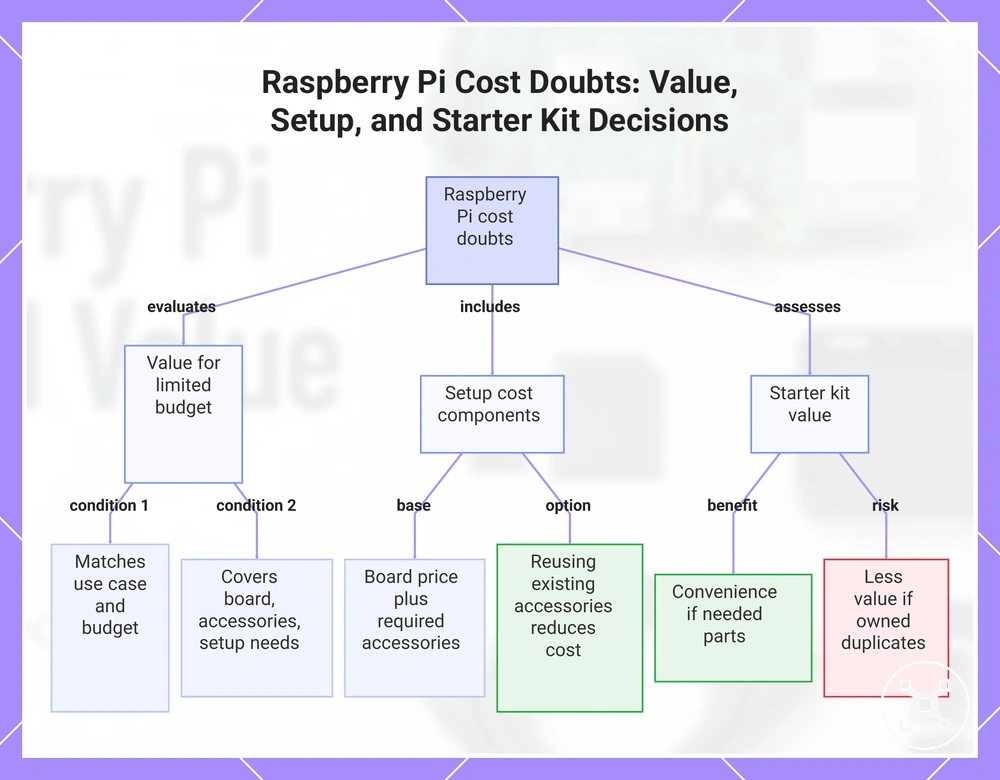
Raspberry Pi cost doubts usually relate to setup cost, accessories, starter kit value, and whether the expected value matches the intended use case. These answers address remaining buying questions after the main cost and value factors have been considered.
Is a Raspberry Pi worth it for a limited budget?
A Raspberry Pi can be worth it when the planned use case matches the available budget and performance expectations. The value improves when existing accessories reduce setup cost and the project benefits from the Raspberry Pi learning value or flexibility. The main criterion is whether the setup provides the required function without adding unnecessary costs.
What does Raspberry Pi setup cost include?
Raspberry Pi setup cost includes the board price and any required accessories needed for the intended configuration. The budget can change when power supply, storage, case, cables, or other suitable accessories are already available or need to be added.
Is a Raspberry Pi starter kit worth the premium?
A Raspberry Pi starter kit can be worth the premium when the included parts provide useful convenience for the intended setup. The value is lower when the starter kit includes duplicate parts or accessories that the user already owns. The deciding factor is whether the included parts reduce setup effort.
Should I reuse existing Raspberry Pi accessories?
Reusing Raspberry Pi accessories can improve value when the existing parts are suitable for the intended use case. Accessory reuse can reduce setup cost, but the accessories should still match reliability requirements and performance expectations.
How much budget is enough for a Raspberry Pi setup?
A Raspberry Pi budget is sufficient when it covers the required board, accessories, and setup needs for the planned use case. The needed budget depends on whether the user requires additional components, higher reliability, or more complete setup convenience.
A Raspberry Pi budget is sufficient when it covers the required board, accessories, and setup needs for the planned use case.
This chart shows the main cost doubts when buying a Raspberry Pi, including worth for limited budget, setup cost components, and starter kit value.